A lot of confusion about All-on-4 dental implants starts before anyone sits in the dental chair. People bring in expectations shaped by ads, forum threads, and friend-of-a-friend stories. The treatment plan they hear at the consult often looks nothing like the one they pictured at home.
That gap is where second guesses, surprise costs, and bad reviews start.
Quick read
- Day-one teeth are temporary, and the final prosthetic comes in three to six months.
- Recovery tends to be shorter than expected, with day three marking the peak of swelling.
- An All-on-4 quote should cover surgery, temporary bridge, and final prosthetic.
- Implants can last for decades, while the teeth on top wear faster and need to be refurbished.
Why All-on-4 Confuses Most First-Time Patients
All-on-4 draws on four pillars of dental care at once. Restorative work, implant placement, prosthetics, and oral surgery all share a hand in the result. Pull a fact from one corner without context from the others, and the plan a patient builds at home falls apart in the consult.
Most patients arrive at the consult with a half-formed map. The seven turns below are the ones that send that map off course.
1. Day-One Teeth Are Temporary, Final Teeth Come Later
Four implants and a fixed bridge can go in before lunch. The bridge that leaves the chair that day is a temporary acrylic version, built to hold the bite and the look while the bone heals.
The final prosthetic shows up three to six months later. If you expect the polished zirconia version on day one, you will walk out let down. Plan for two sets of teeth on a single timeline, and you will ask sharper questions at the consult and budget for the final prosthetic from day one.
2. Bone Loss Is Often Why the Design Works
Hearing “you don’t have enough bone for implants” at a general dental visit can shut the door for years. That sentence comes from an older protocol.
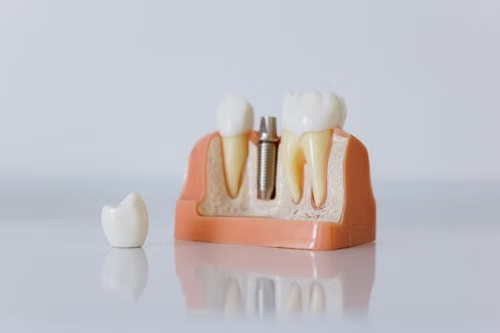
The All-on-4 design was built for jaws that have lost height. The two back implants are angled at 30 to 45 degrees, so they reach the available bone while avoiding the sinus and the nerve canal. Patients who were told a sinus lift or bone block was the only path forward often find a route that skips both.
3. Recovery Looks Different in Practice
Four implants might sound like four times the pain. Full-arch patients tend to report less discomfort after surgery than they had walking in.
Many people come in with chronic infections, loose teeth, or active gum disease. Pulling the source of that pain on the same day as implant placement often brings overall discomfort down within 48 hours.
Most patients describe day three as the peak of swelling. A return to a desk job within a week is common. Stronger pain control seldom runs past those first two days.
4. The Bridge Stays In
Long-term denture wearers expect to take their new teeth out at night. The All-on-4 bridge stays put. It stays in for sleep, for the airport, for the dentist visit, for everything.
Cleaning shifts with the design. A water flosser carries most of the load, paired with a small angled brush that reaches under the bridge to clear plaque off the implant abutments.
Missing that under-bridge step is one of the most common reasons peri-implantitis shows up around year five. Peri-implantitis is one of the leading reasons an implant fails ahead of schedule.
5. The Price Has Three Pieces
A single “All-on-4 price” seldom covers one bundle. A complete quote tends to fold in three layers:
- Surgery, including extractions, implant placement, and sedation.
- The temporary bridge was worn during healing.
- The final prosthetic is either an acrylic-titanium hybrid or a full zirconia.
Add-ons that move the number include CT imaging, bone contouring, ridge reduction, and the occasional graft for cases outside the standard angled design. Before comparing two quotes, ask each practice to break the number into surgery, temporary bridge, and final prosthetic. You will see where the real difference lies.
6. The Eating Timeline Runs Slower Than the Ads
Marketing photos show patients chewing steak the same week. The clinic timeline runs at a calmer pace.
- Days 1 to 7, soft foods like eggs, yogurt, soups, and mashed potatoes.
- Weeks 2 to 6, fork-mashable foods, with chewing kept off the surgical zone.
- Months 2 to 4, firmer foods as the implants fuse with bone.
- Month 4 onward, most foods, with care around ice, popcorn kernels, and crusty bread.
Rushing the timeline can cause an implant to shift during the integration window. Losing one of the four anchors in the first six months is the worst kind of setback because it can mean a regraft and a fresh placement at a different angle.
7. The Implants Outlast the Teeth on Top
Titanium implants can last for two decades or longer when home care remains consistent, and the bite is well managed. The teeth on top wear faster.
An acrylic-titanium hybrid prosthetic may need refurbishment or replacement every 7 to 10 years. A zirconia bridge often lasts for about 15 years. Night grinding wears either material faster, so a nightguard fitted to the new bite should be part of any honest treatment plan.
Think of the bridge as a serviceable layer sitting on a long-lived foundation. That reframes what the investment buys. The implants are the asset, and the teeth on top are consumables.
Questions to Bring to the Consult
A short list of questions makes the consultation more useful than any solo research session.
- Am I a candidate for All-on-4, given my bone level and any active gum disease?
- Will the quote cover surgery, temporary bridge, and final prosthetic, or only one or two of those layers?
- What is the realistic timeline between the surgical date and the final teeth?
- Which prosthetic material do you recommend for me, and why?
- What does the home care routine look like once the bridge is in place?
- What happens if one implant fails to integrate during the healing window?
Before You Book the Consult
Four implants can carry a full arch of teeth, end a denture habit, and restore bite force for decades when planning, surgery, prosthetics, and home care line up.
Bring these seven points to your consultation, and you will get clearer answers on candidacy, timeline, and what your quote includes.
If you want to go deeper before booking, start with a consultation. A CBCT scan and a candidacy review will show what your jaw can support today.