Whether you’re an athlete, fitness enthusiast, or someone who experiences muscle stiffness after long hours at a desk, you’ve probably seen people using a foam roller before or after a workout. Foam rolling has become a popular recovery technique, with claims ranging from reduced muscle soreness to improved flexibility and enhanced athletic performance.
But do these claims hold up? What does scientific research actually say about foam rolling and muscle recovery?
In this article, we’ll explore the evidence-backed benefits of foam rolling, how it works, and how to use it effectively as part of your recovery routine.
What Is Foam Rolling?
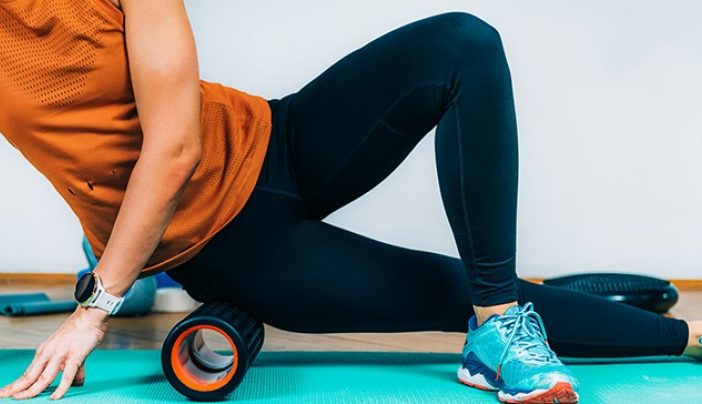
Foam rolling is a form of self-myofascial release (SMR) that involves applying pressure to muscles and connective tissues using a cylindrical foam roller. The goal is to release muscle tightness, improve mobility, and reduce discomfort caused by exercise or prolonged inactivity.
Unlike massage therapy, foam rolling allows you to target specific muscle groups on your own, making it an affordable and convenient recovery tool.
How Does Foam Rolling Work?
While researchers are still studying the exact mechanisms, several theories explain why foam rolling may improve recovery.
Applying pressure to muscles can:
- Increase blood circulation to the targeted area
- Reduce muscle stiffness
- Improve tissue hydration
- Stimulate the nervous system to promote muscle relaxation
- Increase short-term range of motion without reducing muscle strength
Rather than “breaking up knots,” as is commonly believed, foam rolling appears to improve how muscles and fascia move and respond to pressure.
Science-Backed Benefits of Foam Rolling
1. Reduces Delayed Onset Muscle Soreness (DOMS)
One of the most well-supported benefits of foam rolling is reducing Delayed Onset Muscle Soreness (DOMS)—the soreness that typically develops 24 to 72 hours after intense exercise.
Several studies suggest that foam rolling after exercise can decrease perceived muscle soreness, allowing individuals to recover more comfortably and return to training sooner.
Although soreness may not disappear completely, many people report noticeable improvements after consistent foam rolling sessions.
2. Improves Range of Motion
Research consistently shows that foam rolling can increase joint flexibility and range of motion.
Unlike prolonged static stretching, foam rolling improves mobility without temporarily reducing muscle strength or power. This makes it particularly useful before workouts that require flexibility, such as weightlifting, running, or sports involving quick directional changes.
Improved mobility can also help individuals perform exercises with better technique and movement efficiency.
3. Supports Faster Recovery
Recovery isn’t just about reducing soreness—it’s about restoring muscle function.
Foam rolling may help speed up recovery by improving blood flow, which supports the delivery of oxygen and nutrients to working muscles while assisting in the removal of metabolic waste products.
While foam rolling doesn’t dramatically accelerate muscle repair, it may help athletes feel physically ready for their next training session sooner.
4. Helps Reduce Muscle Tightness
Long periods of sitting, repetitive movements, and intense workouts can leave muscles feeling tight or stiff.
Foam rolling applies sustained pressure to these areas, encouraging muscles to relax and temporarily reducing feelings of tightness. Many people notice improved movement immediately after rolling, especially in the calves, quadriceps, hamstrings, glutes, and upper back.
5. May Improve Athletic Performance
Current research suggests that using a foam roller as part of a warm-up may improve movement quality without negatively affecting strength or explosive performance.
Some studies have found small improvements in sprinting, jumping, and flexibility when foam rolling is combined with dynamic warm-up exercises.
Although foam rolling alone won’t dramatically improve athletic performance, it can prepare muscles for activity by increasing mobility and reducing stiffness.
Foam Rolling Before vs. After Exercise
Before Exercise
Using a foam roller before training can help:
- Increase mobility
- Improve joint range of motion
- Reduce muscle stiffness
- Prepare muscles for movement
A short session of 30 to 60 seconds per muscle group is usually sufficient before exercise.
After Exercise
After a workout, foam rolling can support recovery by:
- Reducing muscle soreness
- Promoting relaxation
- Improving circulation
- Decreasing post-exercise stiffness
Many athletes combine foam rolling with hydration, proper nutrition, and quality sleep for optimal recovery.
Which Muscles Should You Foam Roll?
Some of the most commonly targeted muscle groups include:
- Quadriceps
- Hamstrings
- Calves
- Glutes
- Hip flexors
- IT band (focus on surrounding muscles rather than direct pressure)
- Upper back (thoracic spine)
- Lats
Avoid rolling directly over joints, bones, or areas with acute injuries or inflammation.
How Long Should You Foam Roll?
Research suggests that you don’t need lengthy sessions to experience benefits.
A practical guideline is:
- 30–60 seconds per muscle group
- Total session of 5–10 minutes
- Apply moderate pressure without causing excessive pain
Rolling too aggressively isn’t necessarily more effective. Mild discomfort is normal, but sharp or intense pain is a sign to reduce pressure or stop.
Are There Any Risks?
Foam rolling is generally safe for healthy individuals, but there are situations where caution is needed.
Avoid foam rolling if you have:
- Acute muscle tears
- Fractures
- Severe bruising
- Open wounds
- Deep vein thrombosis
- Certain medical conditions unless approved by a healthcare professional
If you’re recovering from surgery or dealing with chronic pain, consult a physiotherapist or physician before starting a foam rolling routine.
Tips to Get the Most Out of Foam Rolling
To maximize the benefits:
- Roll slowly instead of rushing.
- Breathe normally and avoid holding your breath.
- Focus on larger muscle groups first.
- Combine foam rolling with dynamic stretching before exercise.
- Stay hydrated to support overall recovery.
- Be consistent rather than relying on occasional sessions.
Remember, foam rolling is one part of a comprehensive recovery strategy that should also include strength training, mobility work, balanced nutrition, and adequate sleep.
Final Thoughts
Scientific research supports foam rolling as an effective tool for improving flexibility, reducing post-workout muscle soreness, and enhancing short-term recovery. While it isn’t a magic solution for preventing injuries or dramatically boosting athletic performance, it can play a valuable role in maintaining muscle health and preparing the body for movement.
Whether you’re training for a marathon, lifting weights, or simply looking to reduce everyday muscle stiffness, incorporating just a few minutes of foam rolling into your routine may help you move better and recover more comfortably.
As with any recovery technique, consistency matters. Combined with proper exercise programming, hydration, nutrition, and rest, foam rolling can be a simple yet effective way to support long-term physical performance and overall well-being.