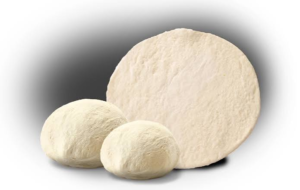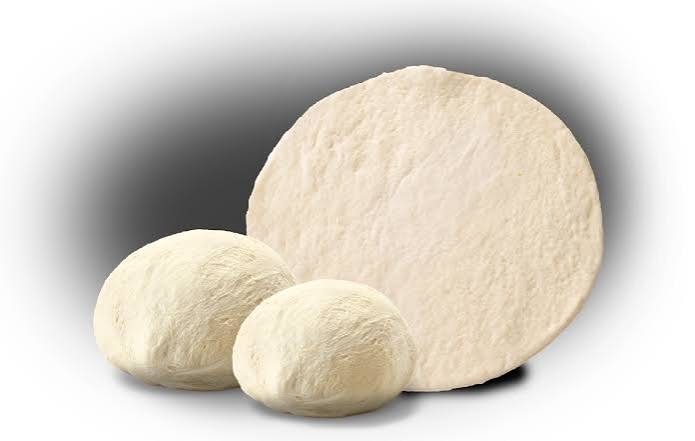
Making homemade pizza involves more than choosing the right toppings. One of the most important steps is deciding how much dough to use for each pizza.
A dough ball that is too small may stretch too thin, while too much dough can create a base that is thicker than intended. Getting the portion right helps you produce more consistent pizzas and makes it easier to follow a recipe.
The ideal dough weight depends on pizza diameter, crust thickness, dough hydration, and the style of pizza you want to prepare.
This guide explains the main considerations when preparing dough for 10-inch, 12-inch, 14-inch, and 16-inch pizzas.
Why Does Pizza Dough Ball Size Matter?
Dough weight influences the thickness and overall structure of the pizza base.
If you use a small dough ball for a large pizza, you may need to stretch it very thin. This can make handling more difficult and may create weak areas in the base.
On the other hand, using too much dough for a small pizza can produce a thick crust that may not match your preferred style.
Consistent dough portions also make meal preparation easier. If you are preparing several pizzas for guests, weighing each dough ball helps keep the results more predictable.
Understanding Pizza Diameter and Dough Weight
Pizza diameter describes the width of the finished pizza. As the diameter increases, the surface area also increases.
This means a 16-inch pizza requires more dough than a 10-inch pizza if both are intended to have a similar thickness.
However, the increase is not simply based on the difference in diameter. The surface area of a circle depends on its radius squared.
That is why a larger pizza can require considerably more dough than a smaller one, even when the diameter difference looks modest.
The final weight still depends on the crust style and recipe.
How Much Dough for a 10-Inch Pizza?
A 10-inch pizza is a useful size for an individual meal or a smaller serving.
A thinner crust generally requires less dough, while a thicker base needs a larger portion.
For a consistent result, choose a dough weight that matches the style of pizza you want to make. Use the same recipe and shaping technique when preparing multiple pizzas so that you can compare results.
A 10-inch pizza can be a good starting point for people learning to stretch dough because the smaller diameter may be easier to handle.
How Much Dough for a 12-Inch Pizza?
A 12-inch pizza is a common size for homemade pizza nights.
It offers more surface area than a 10-inch pizza and can provide enough room for a balanced combination of sauce, cheese, and toppings.
When preparing a 12-inch base, pay attention to the thickness of the center and outer edge. Stretching the dough evenly helps prevent one area from becoming too thin.
If you prefer a thicker crust, increase the dough portion according to your recipe. For a thinner style, use a smaller portion and stretch carefully.
How Much Dough for a 14-Inch Pizza?
A 14-inch pizza can be suitable for sharing and may require more dough than smaller household pizzas.
The larger surface area means the dough needs to stretch farther while maintaining enough structure to support the toppings.
Use a suitable preparation surface and avoid adding too much flour during shaping. If the dough repeatedly shrinks back, allow it to rest before continuing.
A consistent dough weight makes it easier to prepare several 14-inch pizzas with similar thickness.
How Much Dough for a 16-Inch Pizza?
A 16-inch pizza is a larger option for family meals or gatherings.
Because of its size, it generally requires a larger dough ball than a 10-inch or 12-inch pizza when the same crust thickness is desired.
Handling a large dough portion can be more challenging, particularly when stretching it by hand. Work carefully and support the dough evenly to avoid tearing.
Make sure your oven, pizza stone, steel, or other cooking surface can accommodate the finished pizza safely.
Dough Ball Size Comparison
The following table gives general planning guidance rather than fixed recipe requirements. Actual dough weights vary with crust thickness, hydration, and pizza style.
| Pizza Diameter | General Dough Portion | Suitable For |
| 10 inches | Smaller dough ball | Individual or small pizza |
| 12 inches | Medium dough ball | Everyday homemade pizza |
| 14 inches | Larger dough ball | Sharing |
| 16 inches | Extra-large dough ball | Family or group meals |
For accurate portions, use a recipe that specifies the dough weight for the intended pizza diameter and crust style.
What Is Pizza Dough Hydration?
Hydration describes the amount of water in a dough compared with the amount of flour. It is usually expressed as a percentage.
For example, a dough made with 500 grams of flour and 325 grams of water has 65 percent hydration.
Hydration affects how the dough feels and handles. A higher-hydration dough may feel softer and stickier, while a lower-hydration dough may feel firmer.
The right hydration depends on the flour, recipe, fermentation process, and cooking method.
When adjusting a recipe, change one variable at a time so you can understand how it affects the finished dough.
How to Weigh Pizza Dough Balls
A digital kitchen scale is one of the most useful tools for consistent pizza preparation.
Place a clean container or dough portion on the scale and reset the display if needed. Add or remove dough until you reach the desired weight.
Repeat the process for each portion.
After weighing, shape the dough into balls if your recipe recommends this step. Place them in suitable containers and cover them to prevent the surface from drying out.
Keep the dough under the storage conditions recommended by your recipe.
Tips for Stretching Different Pizza Sizes
Smaller pizzas may be easier to handle, but every size benefits from gentle and even stretching.
Begin from the center and work outward while preserving the outer edge if you want a raised crust.
Avoid pulling too aggressively because this can create thin spots or tears. If the dough becomes difficult to stretch, allow it to rest briefly.
For larger pizzas, make sure your preparation surface is spacious enough and that the finished base can be transferred safely to the cooking surface.
Avoid Overloading Your Pizza With Toppings
Dough weight is only one part of pizza preparation. The amount of sauce, cheese, and toppings also affects how the pizza cooks.
Too much moisture can make the center difficult to bake. Heavy toppings may also make a large pizza harder to transfer.
Use a balanced amount of ingredients and follow a recipe suited to your chosen pizza diameter.
Explore More Pizza Dough Guidance
For additional guidance on dough portions, read the Big Horn Outdoors guide to pizza dough ball sizes for 10-, 12-, 14-, and 16-inch pizzas.
For pizza ovens and outdoor cooking equipment that can support your homemade pizza routine, visit Big Horn Outdoors. Choose an oven and cooking surface that match the pizza sizes you plan to prepare.
Conclusion
Choosing the right pizza dough ball size helps create a more consistent crust and makes homemade pizza easier to prepare.
A 10-inch pizza generally needs less dough than a 12-inch, 14-inch, or 16-inch pizza when the crust thickness is similar. However, the exact weight depends on the recipe, hydration, and preferred pizza style.
Use a kitchen scale, follow a reliable dough recipe, and practice shaping different sizes. Over time, you can adjust portions to create the crust texture you enjoy most.
\