Everest has a funny way of rearranging holiday plans. One traveler sees a photo of Ama Dablam and wants to be standing in front of it by the weekend. Another has been saving leave for years just to walk into the Khumbu. Same mountain, completely different ways of reaching it. That’s why so many people end up comparing an Everest Base Camp Helicopter Tour with the traditional trek on foot.
The two options differ in time, total cost, altitude exposure, physical effort, scenery and how much of Sherpa life you actually see. They also suit different people: someone with five spare days, a keen trekker, a family with mixed ages, or a traveler who worries about altitude. This guide walks through each difference plainly, so you can pick what fits your plans.
Everest Base Camp Helicopter Tour vs Trekking: Understanding the Two Experiences
Before comparing numbers, it helps to picture what each trip really looks like on the ground, or rather, in the air.
What Is an Everest Base Camp Helicopter Tour?
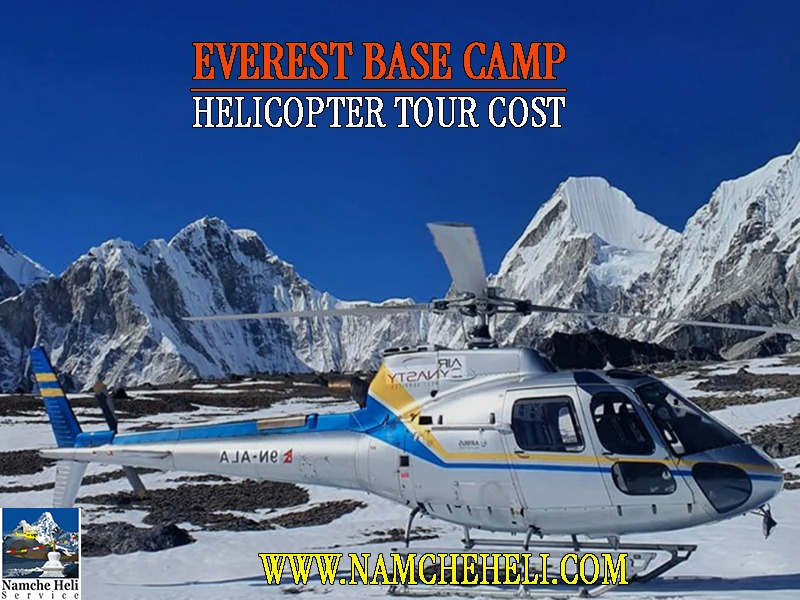
Most flights leave Kathmandu early in the morning. The helicopter heads east toward Lukla, where it often stops to refuel, then continues up the valley toward the high peaks. Some operators also arrange shuttle legs around places like Pheriche, depending on how the day is set up, so it’s worth asking exactly what your itinerary includes.
Landing is the part people misunderstand. Stops near Kala Patthar or close to base camp are possible, but never promised. Wind, cloud and local conditions decide, and the pilot has the final say. Think of a landing as a bonus, and the aerial views as the main event.
What Does the Traditional Everest Base Camp Trek Involve?
The trek starts with the flight into Lukla, then follows a long walking route through Phakding, Namche Bazaar, Tengboche, Dingboche, Lobuche and Gorakshep, before the final walk to Everest Base Camp. You climb slowly, rest on acclimatization days and sleep in simple mountain lodges along the way.
The difference is hard to overstate. From a helicopter, you see the Himalayas laid out below you. On foot, you cross the suspension bridges, share lodge dining rooms with other walkers and feel the mountains getting closer every day.
Time Difference: A Few Hours by Helicopter or Around Two Weeks on Foot?
How Long Does the Helicopter Tour Take?
Plan for roughly four to six hours overall. The exact figure depends on the route, refuelling, any landing stops and how the day unfolds. Flights usually go early because mountain mornings tend to be clearer, before clouds and wind build up later.
That clarity doesn’t always last, though. Delays, route changes and cancellations do happen when the weather turns, so a flexible schedule is smart.
How Many Days Are Needed for Everest Base Camp Trekking?
Most itineraries run twelve to fourteen days from Kathmandu and back, depending on the route and pace. That includes acclimatization days, usually in Namche Bazaar and Dingboche, where your body gets time to adjust to thinner air.
Rushing the trek isn’t a good idea. Climbing too fast is exactly how people get sick at altitude. Set that against a single morning in a helicopter, and you can see why time is often the deciding factor.
Cost Comparison: Helicopter Tour vs Everest Base Camp Trek
I won’t quote exact figures here, because prices shift with season, operator and group. Ask for a written quote and compare what’s actually covered.
What Does an Everest Base Camp Helicopter Tour Cost?
Shared and private options sit at very different price points. Group size, passenger weight, seasonal conditions and the landing arrangements all move the final number. Special routes or extensions usually cost extra too, so check what the quote leaves out.
How Much Does Everest Base Camp Trekking Cost?
Trekking costs are spread across many small things: Lukla flights, lodges, meals, permits, a guide, porters, insurance and personal spending like snacks, hot showers and charging fees. Longer itineraries and nicer rooms push the budget up.
Don’t judge by the headline package price alone. Add up the whole trip, including the days you’re away from work.
Which Option Offers Better Value for Money?
It depends on what you’re buying. The helicopter saves a lot of time and gives wide aerial views. The trek costs more days but gives you the physical journey, the villages and the slow build-up toward the mountain. Cheaper isn’t automatically better. A traveler craving the trail may feel short-changed by a few hours in the air, while someone with limited time may feel the helicopter was money well spent.
Flight Routes and Mountain Views: What Will You Actually See?
Kathmandu to Lukla Helicopter Flight: What to Expect
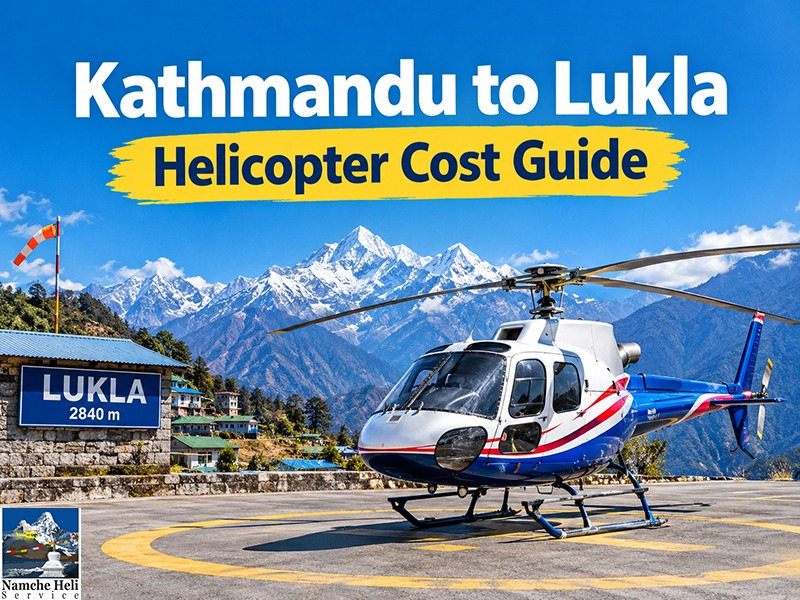
The journey starts over the green hills around Kathmandu, then the terrain climbs into deeper valleys, scattered settlements and, eventually, snow peaks. The scenery changes fast, which is part of the charm.
A Kathmandu to Lukla helicopter flight also behaves differently from the regular fixed-wing service. It’s usually more flexible and allows a more scenic experience, although it’s still tied to the weather.
Lukla To Kathmandu Helicopter Flight: Return Journey Options
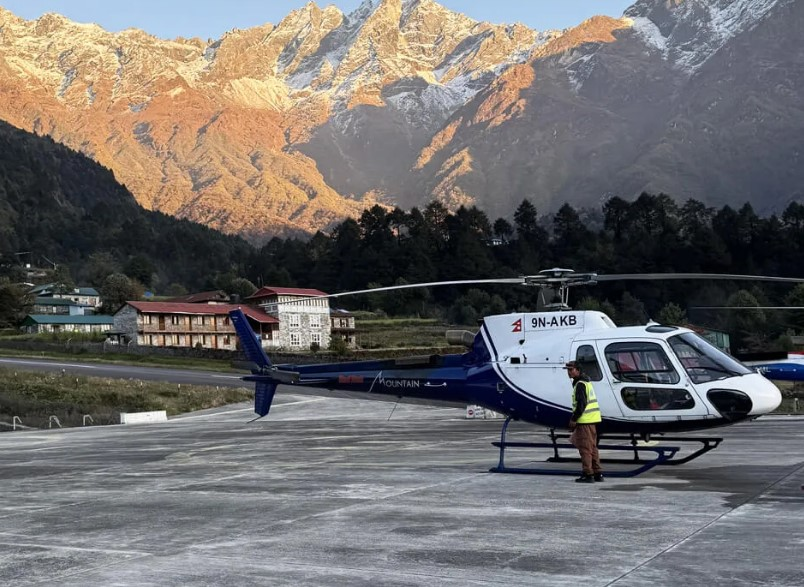
Many trekkers use a helicopter transfer for the Lukla To Kathmandu Helicopter Flight when they are short on time, facing possible flight delays, or prefer a more comfortable return journey after completing their trek. Compared with the regular fixed-wing flight, a helicopter transfer offers greater flexibility and a more private travel experience, particularly when sharing the flight with fewer passengers. However, departures still depend on weather conditions, passenger capacity, operational schedules, and helicopter availability, so it is important not to treat the service as guaranteed.
Gokyo To Kathmandu Helicopter Flight: An Alternative for Gokyo Valley Trekkers
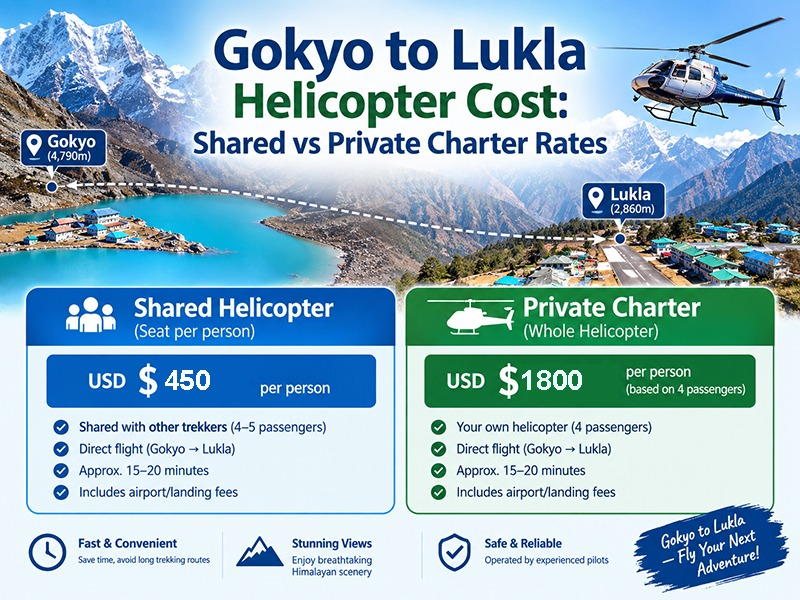
Trekkers who finish the Gokyo Lakes route sometimes choose to fly out. The area around Gokyo, the Cho La region and the wider Everest landscape are stunning, but the walk back down is long. A Gokyo To Kathmandu Helicopter Flight can save days.
Availability, route permissions, passenger weight and weather all influence whether it works, so confirm the details early.
Physical Difficulty, Altitude, and Acclimatization
Physical Demands of the Helicopter Experience
Helicopter sightseeing asks far less of your body than trekking. You’re mostly sitting. If you land at altitude, the time on the ground is short. Still, don’t ignore altitude sickness. Even a brief stop high up can make some people feel dizzy, breathless or unwell.
Physical Demands of Everest Base Camp Trekking
Trekking means several hours of walking each day, uphill sections, uneven trails, cold nights and steadily rising altitude. Acclimatization and a gradual ascent are what keep you safe. Preparing beforehand with regular walking, hiking and cardiovascular exercise makes a real difference.
Cultural Experience and Mountain Life: What Do You Miss by Flying?
From the air, Sherpa villages look like tiny clusters of roofs on steep slopes. On foot, you sit in them. You stop in Namche Bazaar, visit Tengboche Monastery, eat in warm lodges and chat with guides and porters about life in the Khumbu.
Helicopter travelers still get wonderful landscapes and perhaps a short stop, but little time for cultural exchange. Local communities are central to the Everest experience, and trekking gives you a much closer understanding of how they live.
Weather, Safety, and Flight Reliability in the Everest Region
Why Himalayan Weather Matters for Helicopter Tours
Morning visibility, cloud cover, wind and snowfall can all change quickly in the mountains. That can mean delays, altered routes or cancelled flights. Choose a licensed operator and read the cancellation and refund policy before paying.
Safety Considerations for Trekking
Trekkers face altitude sickness, cold temperatures, shifting trail conditions and plain old exhaustion. Make sure your travel insurance covers high-altitude trekking and helicopter evacuation where appropriate. An experienced guide and sensible acclimatization are your best protection.
Which Experience Is Better for Different Types of Travelers?
Choose the Helicopter Tour If You
- Have limited holiday time.
- Prefer mountain sightseeing without a demanding multi-day trek.
- Want aerial views of Everest and the Khumbu region.
- Have difficulty completing a long walking itinerary, subject to medical suitability.
Choose Trekking If You
- Enjoy multi-day mountain adventures.
- Want to experience Sherpa villages and Himalayan culture.
- Prefer gradual mountain exploration and walking trails.
- Have enough time and suitable physical preparation.
Can You Combine Trekking and a Helicopter Return?
Yes, and plenty of people do. The Everest Base Camp trek with helicopter return lets you walk up through the valley, then skip the long walk back. You get the trail experience and a quicker, more comfortable journey home.
Practical Booking Tips Before Making Your Decision
Check exactly what the helicopter package includes: airport transfers, landing stops and breakfast arrangements. Confirm passenger weight limits and whether weight-sharing applies. Ask what happens if weather cancels the flight, including refunds and alternative arrangements.
For trekking, check permits, accommodation, guide arrangements, meals and insurance. Keep a few buffer days in your itinerary, since mountain weather doesn’t follow schedules. And compare the actual itinerary instead of relying only on advertised prices.
Final Verdict: Everest Base Camp Helicopter Tour or Trekking?
The helicopter wins on time and aerial views, while trekking wins on depth, culture and the feeling of earning every step. Cost, effort and expectations sit somewhere in between. If you’re researching helicopter arrangements, a brand like Namcheheli can be a useful place to understand routes and practical inclusions. In the end, choose the experience that matches your time, budget, fitness and expectations.
Contact Details
———————————-
Namche Heli Service
Namche Bazzar, Solukhumbu, Nepal
(Branch Office :Kathmandu Naya Bazar)
+977-985-2850192 (WhatsApp)
Email: info@namcheheli.com
URL: www.namcheheli.com