Wire ropes are essential components in industries such as construction, mining, marine operations, and material handling, where reliability and durability are critical. Although many maintenance programs include regular wire rope lubrication, the effectiveness of that maintenance often depends on how the lubricant is applied. There is a significant difference between simply coating the outer surface of a wire rope and achieving full penetration into its internal strands. Understanding that difference can help organisations improve equipment performance, reduce wear, and extend the service life of valuable assets.
Why Internal Protection Is Just as Important as Surface Care
A wire rope is far more complex than its exterior suggests. It consists of multiple strands and individual wires that constantly move against one another during operation.
While the outer surface is exposed to moisture, dust, and contaminants, the internal components are subjected to continuous friction as the rope bends, twists, and carries loads. Protecting only the exterior leaves these hidden contact points vulnerable to gradual wear.
Comprehensive lubrication focuses on safeguarding both the visible and internal parts of the rope.
Surface Lubrication Offers Basic External Protection
Applying lubricant to the outside of a wire rope helps create a protective layer that shields exposed wires from environmental conditions.
Surface lubrication can assist by:
- Reducing exposure to moisture
- Limiting corrosion on exposed wires
- Helping repel dirt and debris
- Improving the appearance of the rope
- Providing short-term surface protection
While these benefits are valuable, surface-only application may not reach the internal areas where much of the mechanical wear actually occurs.
Full Penetration Targets Hidden Wear Points
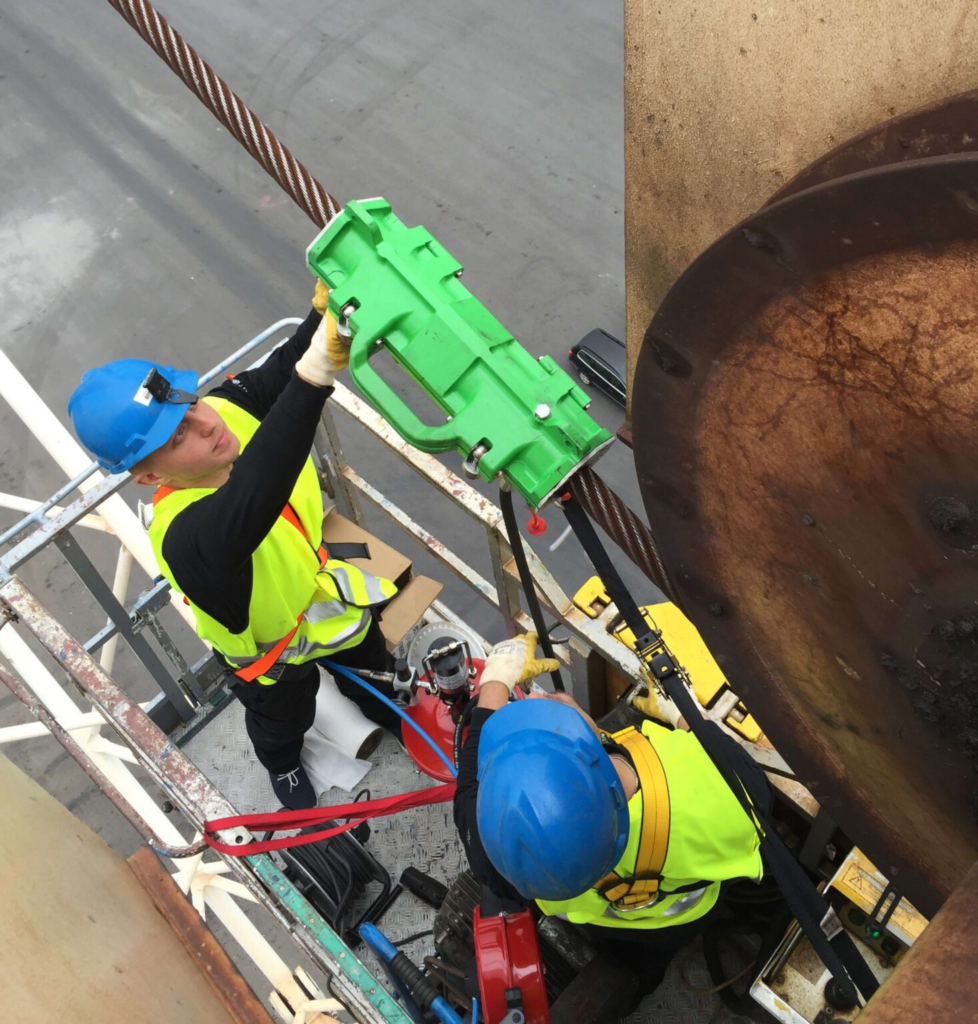
Full penetration treatment is designed to allow lubricant to move between the rope’s strands and individual wires.
By reaching these internal contact surfaces, lubrication can reduce friction where the greatest amount of movement occurs. This helps protect components that are otherwise difficult to access during routine maintenance.
Effective penetration also supports smoother rope movement throughout repeated operating cycles.
Internal Friction Can Accelerate Deterioration
Every lifting or pulling operation causes slight movement within the rope’s construction.
Without sufficient internal lubrication, repeated contact between wires gradually increases friction. Over time, this can contribute to accelerated wear, reduced flexibility, and declining overall performance.
Consistent internal protection helps minimise these effects and supports longer operational life.
Uniform Lubrication Promotes Consistent Performance
Uneven lubrication often creates areas that receive adequate protection alongside sections that remain relatively dry.
This imbalance may lead to irregular wear patterns and varying performance across different sections of the rope. Applying lubricant consistently throughout the rope promotes more uniform protection and helps maintain predictable operating characteristics.
Consistency is particularly valuable in demanding industrial environments where equipment reliability is essential.
Environmental Conditions Influence Lubrication Needs
Wire ropes operate under a wide variety of conditions, each presenting different maintenance challenges.
Examples include:
- Coastal environments with salt exposure
- Mining operations with abrasive dust
- Heavy construction sites
- Offshore installations
- Manufacturing facilities with continuous operation
Selecting an appropriate lubrication approach helps ensure the rope remains protected against the specific conditions it encounters.
Better Lubrication Can Support Maintenance Planning
Maintenance programs are most effective when servicing follows a structured schedule rather than reacting to visible problems.
When lubrication reaches critical internal components, maintenance teams can better preserve rope condition between inspection intervals. Combined with routine inspections and documentation, this approach supports more predictable maintenance planning and asset management.
Preventive care often reduces the likelihood of unexpected operational interruptions.
Protecting the Entire Rope Improves Equipment Reliability
Wire ropes function as part of larger mechanical systems that include sheaves, drums, hoists, and lifting mechanisms.
When lubrication effectively protects the rope throughout its entire structure, these related components may also experience reduced stress during operation. Supporting smoother movement contributes to the reliable performance of the broader system.
Protecting one critical component often benefits the efficiency of the entire operation.
Long-Term Value Comes From Comprehensive Maintenance
Industrial organisations increasingly recognise that effective maintenance involves more than completing routine tasks.
Attention to lubrication quality, inspection frequency, environmental conditions, and application methods all contribute to stronger maintenance outcomes. A comprehensive approach helps maximise equipment lifespan while reducing long-term operating costs and unnecessary downtime.
Small improvements in maintenance quality can deliver significant value over the life of the equipment.
Conclusion
The difference between surface lubrication and full penetration treatment extends well beyond application methods. While surface lubrication helps protect against external environmental factors, full penetration reaches the internal components where much of a wire rope’s wear occurs. By adopting maintenance practices that prioritise complete protection, organisations can improve wire rope integrity, support reliable equipment performance, reduce maintenance costs, and extend the operational life of critical assets across a wide range of industrial applications.