A burst pipe, overflowing toilet, gas smell, or sudden loss of essential water service is stressful in any home. In a rental property, there is an extra question: who is allowed to arrange the repair, and who is expected to pay?
South Australian tenants and landlords share responsibilities, but the landlord is generally responsible for maintaining the property and arranging larger repairs. Tenants must report problems promptly and avoid making the situation worse. It is general information rather than legal advice, and tenancy rules can change, so check current South Australian guidance if there is a dispute.
Make the property safe before discussing blame
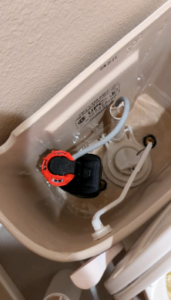
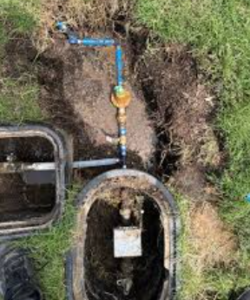
Your first priority is people and immediate damage. If water is escaping from a pipe or fixture, turn off the local isolation valve if one is available and safe to use. If that does not stop the flow, use the main water shut-off valve.
Do not enter standing water near electrical equipment, switchboards, power points, or appliances. If you smell gas, avoid flames and electrical switches, move to a safe location, and contact the appropriate emergency service or gas emergency number. Call Triple Zero when there is an immediate threat to life or safety.
For a sewer overflow, stop using toilets, showers, sinks, and washing machines until the blockage is assessed. Keeping use to a minimum can prevent more contaminated water entering the property.
Notify the landlord or property manager immediately
Urgent repairs should be reported as soon as possible. Use the emergency contact method listed in the lease, tenant portal, or agency instructions.
State what is happening, when it began, what you have done to limit damage, and whether the property is currently safe. Include clear photos or a short video if this can be done without taking risks.
Avoid vague messages such as “the bathroom is broken.” Say whether the toilet is overflowing, wastewater is coming through the shower, the main water is off, or water is entering a wall. Accurate information helps the landlord decide how urgently an emergency plumber is required.
What the landlord is generally responsible for
In South Australia, landlords are generally responsible for repairs needed because of the age, wear, failure, or condition of the property. This can include leaking fixed pipework, failed hot water equipment, gas appliances supplied with the home, and drainage faults not caused by the tenant.
They must act within a reasonable time after being informed.
What counts as reasonable depends on the fault. An active gas leak, major water escape, or sewage overflow cannot be treated like a loose tap handle. The seriousness, safety risk, availability of trades, and steps taken to make the property safe can all affect the response.
When a tenant may arrange an urgent repair
Current South Australian guidance says that if a landlord refuses to address an urgent problem, a tenant may organise an authorised repairer and provide the landlord with the invoice. The licensed professional should repair and provide a report explaining the cause and the work completed.
Contact the landlord or property manager first, use the emergency numbers provided, and keep evidence of your attempts. If the landlord is unreachable, record the times and methods used.
Before authorising expensive or extensive work, seek tenancy advice where practical. An emergency plumber may be able to perform the minimum work required to stop damage or restore safety, with permanent repair arranged after the landlord is involved.
Tenant-caused damage is treated differently
Tenants can be responsible for damage caused intentionally, through neglect, or by visitors and other occupants. Plumbing examples may include flushing an object, allowing a bath to overflow, damaging a tap through misuse, or failing to report a leak until avoidable damage has spread.
A blocked toilet could involve misuse, but it could also be connected to roots, a damaged drain, or a fault affecting several fixtures. Avoid accepting or assigning blame before the plumber has inspected the system.
A written report can be important. It should describe what was found rather than make assumptions about who is responsible.
Keep a useful evidence trail
Take photos of the affected area, including any damage to flooring, walls, furniture, or belongings. Keep screenshots of messages, call logs, emails, invoices, and the plumber’s report. Write down when the fault began and when it was reported.
If water needs to be shut off, note the time. If you move belongings to prevent damage, photograph their original position first if possible. For contaminated water, do not handle affected items without appropriate protection.
They help the landlord, insurer, tradesperson, and tenant understand what happened and what action was reasonable.
Entry rules are different for urgent repairs
Landlords normally need to follow notice requirements before entering a rental property. Urgent repairs are different. South Australian guidance allows entry without the usual notice when urgent work is required.
Cooperate with reasonable access and tell the property manager about pets, alarms, gates, parking, or other site issues. If you cannot be home, confirm how entry will occur and who will secure the property afterwards.
Moving safe, dry belongings away beforehand can reduce delay.
Do not carry out unlicensed plumbing work yourself
A tenant may be able to turn off a valve, place a container under a drip, or stop using a fixture. That is different from altering pipes, dismantling gas equipment, opening fixed plumbing, or attempting a major drain repair.
DIY work can create safety risks, breach tenancy obligations, and make it harder to identify the original fault. Chemical drain cleaners can also expose the attending plumber to hazardous material, so disclose anything already used.
The safest temporary action is usually isolation and damage control, followed by a licensed professional.
A calm sequence protects everyone
During a rental plumbing emergency, act in this order: protect people, isolate water or stop fixture use where safe, notify the landlord, document the issue, and provide access for the authorised repairer.
If the landlord does not respond to an urgent problem, obtain current tenancy advice before committing to major costs where circumstances allow. Emergency plumbers Adelaide tenants contact can help control the immediate fault, but decisions about permanent work and payment should be supported by clear communication and records.
Knowing the process before an emergency makes it easier to respond without panic. Keep the lease emergency contacts and the location of the main water valve easy to find, rather than searching for both while water is spreading across the floor.