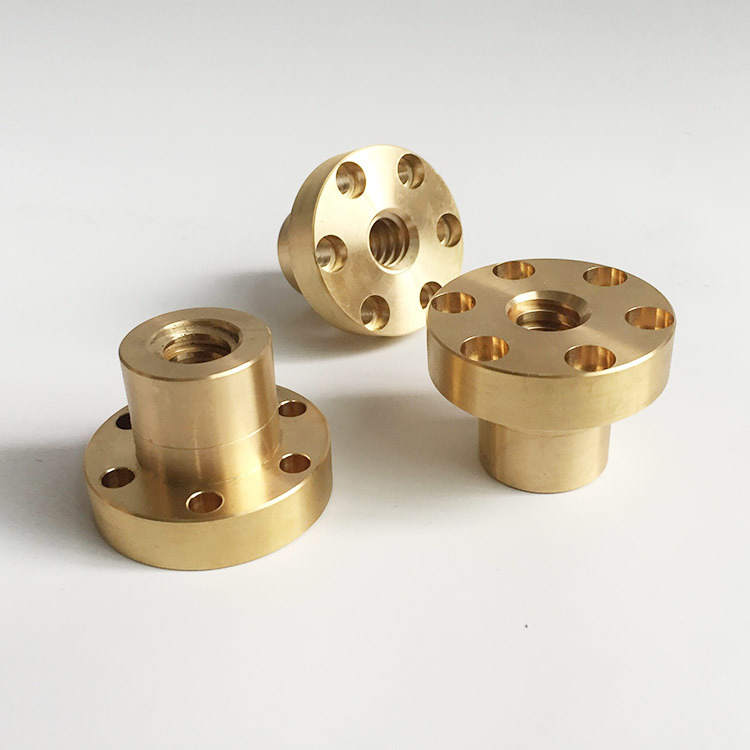
Brass is one of the most trusted metals in manufacturing. It is strong, easy to shape, and resistant to corrosion. But not all brass is the same. Two common types are red brass and yellow brass. Each one has its own strengths. Choosing the right type depends on your project, your budget, and the conditions the part will face.
This article explains the differences between red brass and yellow brass. It will help you make a confident decision for your next project.
What Is Red Brass?
Red brass is a copper alloy with a high copper content, usually around 85 percent. It also contains small amounts of zinc, tin, and lead. This mix gives red brass its warm, reddish color and its strong resistance to corrosion. It performs well in wet or humid environments, which is why it is often used in plumbing fittings, valves, and marine hardware.
Red brass is also known for its strength and durability. It holds up well under pressure and does not corrode easily, even in saltwater. Many manufacturers rely on a CNC Machining Service for Custom Brass Parts to shape red brass into precise components. This process allows for tight tolerances and clean finishes, which is important for parts that need to fit perfectly, such as fittings and connectors. Because red brass is softer than some other alloys, it machines smoothly and produces a fine surface finish.
What Is Yellow Brass?
Yellow brass has a different composition. It contains about 65 percent copper and 35 percent zinc. This higher zinc content gives yellow brass its bright, golden color. It is harder and stronger than red brass, which makes it a good choice for parts that need extra durability.
Yellow brass is widely used in musical instruments, decorative hardware, and mechanical parts. It has good machinability and can be polished to a bright shine, which is why it is popular for items where appearance matters. However, yellow brass is more prone to a problem called dezincification. This happens when zinc leaches out of the metal over time, especially in wet conditions. This makes yellow brass less ideal for plumbing or marine use compared to red brass.
Key Differences Between Red Brass and Yellow Brass
Understanding the differences between these two alloys can help you choose the right one for your needs. Here are the main points to consider.
Color. Red brass has a warm, copper like tone. Yellow brass has a brighter, golden appearance.
Corrosion resistance. Red brass performs better in wet or corrosive environments. Yellow brass is more likely to suffer from dezincification over time.
Strength. Yellow brass is generally harder and stronger. Red brass is softer but still durable enough for many applications.
Cost. Red brass tends to be more expensive because of its higher copper content. Yellow brass is often more affordable.
Common uses. Red brass is common in plumbing, marine hardware, and electrical fittings. Yellow brass is common in musical instruments, decorative items, and general hardware.
Each alloy has a place depending on the environment and function of the part. Knowing these differences helps engineers and buyers avoid costly mistakes.
Choosing the Right Brass for Your Project
When deciding between red brass and yellow brass, think about where the part will be used. If it will be exposed to moisture or harsh conditions, red brass is usually the safer choice. If appearance and strength matter more than corrosion resistance, yellow brass may be the better fit.
Budget also plays a role. Since red brass contains more copper, it usually costs more. If your project has a tight budget and does not involve constant exposure to water, yellow brass can offer good value without sacrificing much performance.
Modern manufacturing tools also make this decision easier. Companies like AIXI Hardware help engineers and designers select the right alloy and turn it into finished parts with precision and consistency. Working with an experienced manufacturer ensures that your parts meet exact specifications, whether you choose red brass or yellow brass. They can also guide you on finishing options, such as polishing or plating, to improve durability and appearance even further.
It is also worth considering long term maintenance. Red brass parts often need less upkeep in wet environments, saving money over time. Yellow brass parts may need protective coatings if they will be exposed to moisture, which adds to the overall cost.
Conclusion
Red brass and yellow brass both offer valuable benefits, but they serve different purposes. Red brass stands out for its strength and resistance to corrosion, making it ideal for plumbing, marine, and electrical uses. Yellow brass offers a brighter finish and greater hardness, which suits decorative items and musical instruments.
Choosing between the two comes down to your project’s needs. Think about the environment, the required strength, and your budget before making a decision. With the right alloy and the right manufacturing partner, you can create parts that are durable, reliable, and built to last.