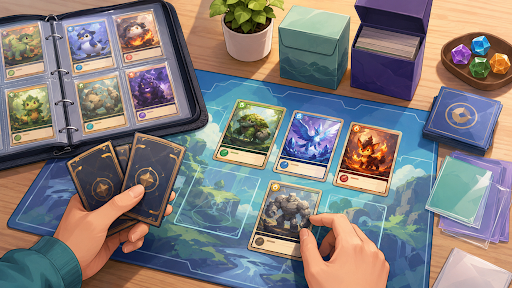
The Pokémon Trading Card Game has attracted fans for decades because it combines strategy, artwork, collecting, and the excitement of discovering new cards.
Starting can feel confusing because there are many products, card types, sets, rules, and prices. With a few basic steps, anyone can learn how to collect cards, build a playable deck, and enjoy matches without spending too much money.
This guide explains how to begin with the Pokémon TCG, which products are useful, how the game works, and how to make better decisions as your collection grows.
Understanding the Pokémon Trading Card Game
The game is a two-player strategy experience in which each person uses a deck of Pokémon, Trainer cards, and Energy cards. The usual aim is to knock out opposing Pokémon and collect Prize cards. The first player to take all six Prize cards normally wins.
Every standard deck contains 60 cards. Players place one Active Pokémon in front and may keep additional Pokémon on the Bench. During a turn, a player can draw a card, attach Energy, evolve Pokémon, use Trainer cards, retreat, and attack.
The basic rules are easy to learn, but the game offers plenty of depth. Different Pokémon have unique attacks, abilities, weaknesses, and retreat costs. Building a dependable deck requires players to balance their cards and follow a clear strategy.
Decide How You Want to Enjoy the Hobby
Before buying products, decide what interests you most. This choice can prevent you from spending money on items that do not match your goals.
A collector may focus on:
- Favorite Pokémon or characters
- Complete card sets
- Rare illustration cards
- Vintage or graded cards
- Sealed products
A player may focus on:
- Building a consistent 60-card deck
- Buying useful Trainer cards
- Learning current rules
- Practicing with other players
- Joining local events
There is no single correct way to enjoy the hobby. A simple goal makes the early stages much easier.
Choose the Right Beginner Product
New players often buy random booster packs and expect to create a complete deck. Packs are exciting, but their contents are random. They are better for collecting than for building a reliable first deck.
A ready-to-play product is usually the better starting point. Beginner decks are designed to teach the rules and can be used immediately.
Useful options include:
- Battle Academy boxes
- Preconstructed level-based decks
- Trainer’s Toolkits
- Build and Battle products
- Elite Trainer Boxes
Always check the product language, set name, condition, and seller reputation. Counterfeit cards appear in some online marketplaces, so established stores and trusted sellers are safer choices.
Learn the Three Main Card Types
Pokémon cards are the characters used in battle. Basic Pokémon can usually be played directly, while Stage 1 and Stage 2 Pokémon normally evolve from earlier forms. Each card displays Hit Points, attacks, abilities, Energy requirements, Weakness, Resistance, and Retreat Cost.
Trainer cards support the deck. They help players draw cards, search for Pokémon, recover resources, switch positions, or affect the opponent. They include Items, Supporters, Stadiums, and Pokémon Tools. Strong decks often contain many Trainer cards because they make the deck more consistent.
Energy cards allow Pokémon to attack. Different attacks require different Energy types, including Fire, Water, Lightning, Psychic, Fighting, Grass, Darkness, and Metal. Beginners often include too much Energy. Most effective decks need enough Energy to function, but they also require plenty of Pokémon and Trainer cards.
Understand the Basic Flow of a Match
At the beginning, both players shuffle their decks and draw seven cards. Each places a Basic Pokémon in the Active position and may place more Basic Pokémon on the Bench. Six Prize cards are then placed face down.
A normal turn may include these actions:
- Draw one card
- Place Basic Pokémon on the Bench
- Evolve eligible Pokémon
- Attach one Energy card
- Play Trainer cards
- Retreat the Active Pokémon
- Use an attack
Attacking normally ends the turn. Damage is placed on the defending Pokémon. When the damage equals or exceeds its Hit Points, that Pokémon is Knocked Out. The attacking player takes the required number of Prize cards.
The easiest way to learn is to play with open hands at first. Both players can explain decisions, check the rulebook, and correct mistakes without worrying about competition.
Build Your First Deck Around One Plan
A beginner deck should have one clear strategy. Avoid using many Pokémon types or complicated evolution lines. A focused deck is easier to understand and more likely to work consistently.
A simple starting structure may contain:
- 15 to 20 Pokémon
- 25 to 35 Trainer cards
- 10 to 15 Energy cards
Choose one main attacker and one or two supporting Pokémon. Add cards that search for those Pokémon, draw extra cards, and recover useful resources. Use Energy that matches the attack costs of your main Pokémon.
After several matches, notice which cards remain unused and which cards you regularly need. Replace weak or unnecessary cards gradually. Deck improvement is a process of playing, observing, adjusting, and testing again.
Start Collecting Without Overspending
Collecting can become expensive when purchases are made without a plan. Set a monthly budget and choose a specific collecting goal before shopping.
Buying single cards is usually more efficient than opening packs when you want a particular card. Packs provide excitement, but they never guarantee the card you are seeking.
Useful collecting habits include:
- Researching recent sale prices
- Comparing several sellers
- Checking card condition carefully
- Avoiding pressure-driven purchases
- Learning rarity symbols
- Keeping records of valuable purchases
Beginners may have more fun collecting one favorite Pokémon, artist, type, or smaller group of cards.
Sealed products can also be collected, but they require storage space. Do not assume every box will rise in value. Buy products because you enjoy them, not because someone promises guaranteed profit.
Protect and Organize Your Cards
Card condition matters to collectors and players. Use soft sleeves for valuable cards and proper deck sleeves for cards used in play. Rare cards may be stored in rigid top loaders or protective cases. Side-loading binders with fixed pages are often safer than loose ring binders, which may bend cards when overfilled.
Store cards in a cool, dry place away from sunlight. Heat, moisture, dust, and pressure can cause warping, fading, or surface damage. Keep food and drinks away from your cards.
Organize your collection by set number, Pokémon type, rarity, artist, or personal preference. A digital list or collection app can also help track owned cards and prevent unnecessary duplicate purchases.
Find People to Play With
Playing with others makes learning faster and more enjoyable. Local game stores often host casual sessions, leagues, prerelease events, and tournaments.
Online communities are useful for deck ideas, trades, and event information. However, purchases and trades should be handled carefully. Check values, use trusted platforms, and protect expensive cards during shipping.
For an in-person event, bring:
- A legal 60-card deck
- Damage counters
- A coin or approved randomizer
- Sleeved cards
- A deck box
- A playmat if desired
Casual play is the best place to begin. Competitive events can come later, once you understand card effects, timing, and deck rules.
Keep Learning and Enjoy the Journey
The Pokémon Trading Card Game rewards curiosity. New sets, strategies, artwork, and products appear regularly, but beginners do not need to chase everything. One enjoyable deck and a small, organized collection are enough to begin.
Focus on learning the rules, protecting your cards, and making thoughtful purchases. Play with friends, visit local events, and improve your deck through experience. Collect cards that genuinely interest you rather than following every trend.
The hobby becomes more rewarding when approached with patience. Whether your goal is to win matches, complete a binder, collect a favorite Pokémon, or enjoy opening packs, begin with a clear purpose and remember to have fun.