Retail distribution has become increasingly complex as customer expectations continue to evolve. Businesses are expected to deliver products quickly, provide accurate delivery updates, and maintain consistent service across multiple locations. Whether supplying retail stores, distributing inventory between warehouses, or completing direct-to-consumer deliveries, transportation providers need reliable technology to keep operations running efficiently.
Delivery management software has become an important part of modern retail logistics by helping carriers streamline dispatching, optimize routes, improve communication, and gain complete visibility into every delivery. Instead of relying on disconnected systems and manual processes, businesses can manage their entire delivery operation from a centralized platform designed to improve efficiency and customer satisfaction.
Managing High Delivery Volumes Efficiently
Retail distribution often involves large numbers of deliveries across multiple locations every day. Seasonal demand, promotional events, and inventory replenishment schedules can quickly increase shipment volume, placing additional pressure on dispatch teams and drivers.
Delivery management software helps organize these deliveries by centralizing order management, dispatching, routing, and delivery tracking. Automated workflows reduce manual effort while helping operations teams coordinate more deliveries without sacrificing accuracy or service quality.
Improving Route Planning
Efficient routing plays a significant role in retail distribution. Delivering products using the most efficient routes helps reduce transportation costs while ensuring inventory arrives when stores and customers expect it.
Route optimization considers delivery locations, service windows, traffic conditions, driver availability, and operational priorities when building delivery schedules. Better routing reduces unnecessary mileage, improves fuel efficiency, and allows drivers to complete more deliveries during each shift.
These improvements help businesses maintain reliable delivery schedules while controlling transportation expenses.
Increasing Inventory Visibility
Retail operations depend on knowing where inventory is throughout the delivery process. Delayed shipments or limited shipment visibility can create stock shortages, missed sales opportunities, and unnecessary customer frustration.
Real-time delivery tracking allows dispatchers, customer service representatives, and retail customers to monitor shipments as they move through the delivery network. Immediate access to delivery status helps businesses respond quickly to unexpected changes while providing more accurate delivery information to customers.
Supporting Better Customer Communication
Clear communication has become an important part of the retail delivery experience. Customers appreciate receiving delivery confirmations, estimated arrival times, and status updates that help them prepare for incoming shipments.
Automated notifications reduce uncertainty while decreasing the number of customer inquiries regarding shipment status. This allows customer service teams to spend more time resolving complex issues instead of answering routine delivery questions.
Helping Drivers Complete Deliveries More Efficiently
Drivers play an important role in maintaining reliable retail distribution. Mobile delivery technology provides drivers with optimized routes, delivery instructions, navigation assistance, proof of delivery tools, barcode scanning, and real-time communication with dispatch teams.
By reducing paperwork and simplifying delivery workflows, drivers can focus on completing deliveries accurately and efficiently while keeping dispatchers informed throughout the day.
Technology That Supports Retail Logistics Growth
As retail businesses continue expanding across multiple channels, logistics providers need technology that can grow alongside their operations. A flexible delivery management platform should support dispatch automation, route optimization, reporting, customer communication, proof of delivery, mobile driver applications, and integrations with existing business systems.
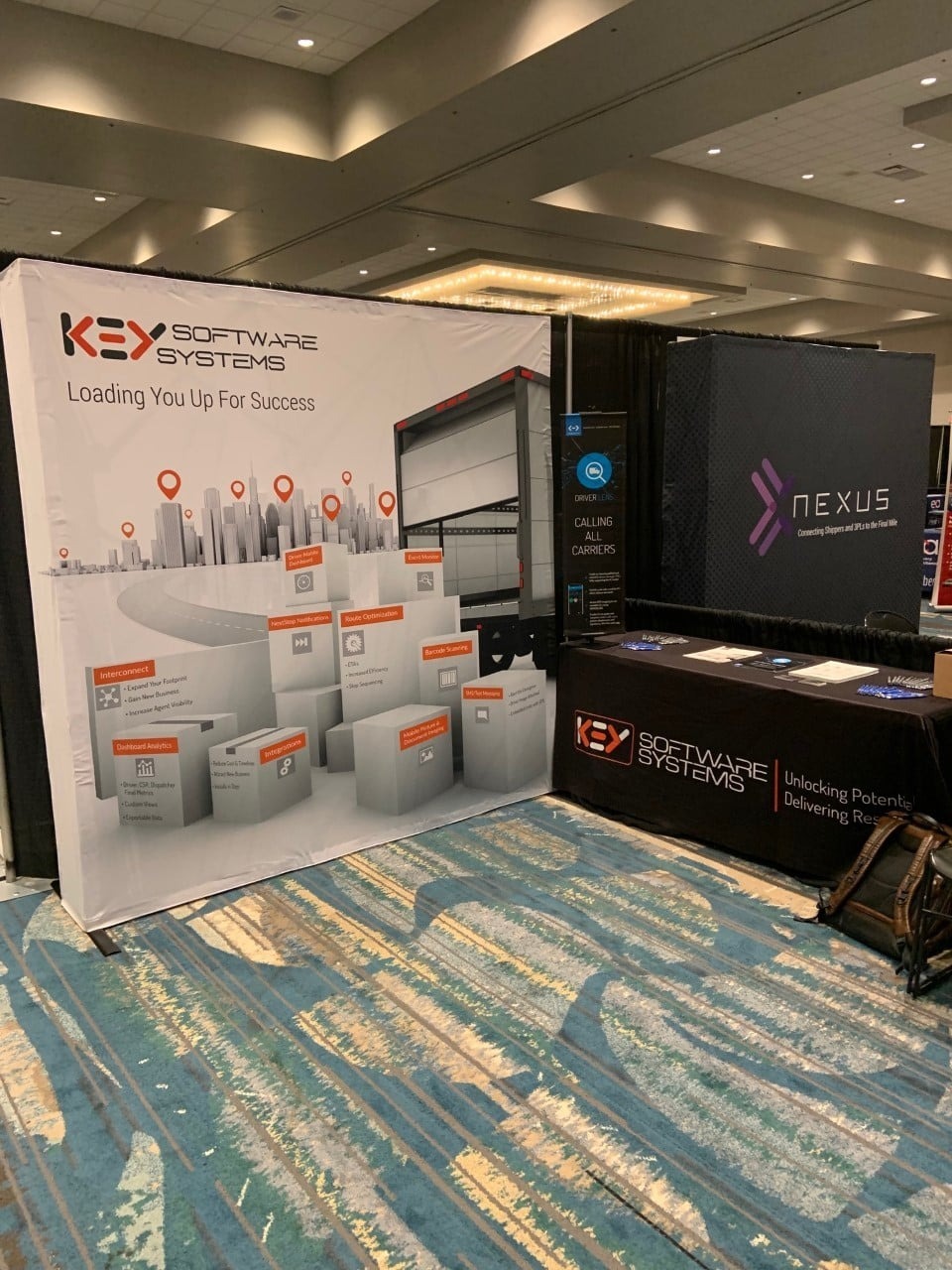
Xcelerator by Key Software Systems helps retail distribution providers streamline final mile operations through intelligent dispatch automation, route optimization, real-time visibility, driver management, and customizable workflows. The platform supports businesses handling retail distribution, warehouse transfers, scheduled deliveries, and other complex logistics operations from one centralized solution.
Conclusion
Retail distribution depends on efficient transportation, accurate communication, and dependable delivery performance. Delivery management software provides the tools businesses need to improve operational visibility, optimize routes, simplify dispatching, and deliver a better customer experience.
As retail logistics continues to evolve, organizations that invest in modern delivery technology will be better positioned to improve efficiency, reduce operating costs, and meet the growing expectations of both retailers and consumers.
Contact Key Software Systems
If you’re looking to improve your retail distribution operation with advanced delivery management technology, contact Key Software Systems to learn how their customizable software solutions can help optimize dispatching, routing, and final mile delivery performance.
Key Software Systems LLC
5100 Belmar Blvd, Suite 2
Farmingdale, NJ 07727
Phone: (732) 409-6068
Email: sales@keysoftwaresystems.com
Website: https://www.keysoftwaresystems.com/contact/