Living in an apartment changes the way people choose transportation. A vehicle may need to fit through narrow hallways, share space with furniture, and remain easy to move without a garage or private driveway. For many city residents, an e-bike offers a practical way to handle short trips without relying on a car for every errand.
Choosing the right e-bike for apartment life requires more than checking motor power or battery range. Weight, frame shape, charging access, storage space, and everyday handling can matter just as much as speed.
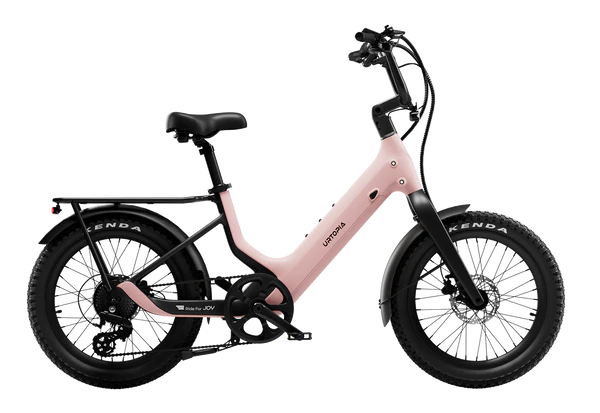
A lightweight ebike can be especially useful when riders need to carry the bike up stairs, lift it into an elevator, or store it inside a compact home. Lower weight also makes the bike easier to guide through a lobby, turn in a narrow corridor, or move around other residents.
Why Apartment Riders Have Different Needs
Apartment residents often have no secure outdoor storage, while building rules may limit where bicycles can be parked. Elevators can be crowded, hallways may be narrow, and charging a battery in a shared area may be inconvenient.
These conditions make portability and storage major buying factors. A powerful bike may perform well on the road yet feel impractical if it is difficult to bring indoors. Riders should think about the full route from the street to the storage area, including doors, stairs, corners, and elevator dimensions.
Daily routines also vary. A commuter riding five miles may value easy handling more than maximum range. Someone making grocery runs may need a stable frame and cargo options. A rider combining cycling with public transportation may care most about low weight and compact dimensions.
How Weight Affects Daily Convenience
Bike weight affects more than carrying. It changes how easily the bike can be pushed, parked, turned, and lifted over small obstacles. In an apartment building, these movements happen frequently.
A lighter frame is easier to guide through doors without hitting walls or furniture. It can also reduce strain when loading the bike into a car, bringing it onto a train, or lifting the front wheel onto a rack. Riders living above the ground floor should consider total weight, including the battery and accessories.
Low weight should still be balanced with stability and comfort. A bike that feels light but unsteady may be less suitable for rough streets or heavier loads. The better choice combines manageable weight with secure handling at low speeds and during stops.
Planning Indoor Storage
Before buying, measure the available storage space. Check the width of entry doors, hallway clearance, elevator depth, and the area where the bike will remain between rides.
Wall hooks and vertical racks can save floor space, but they require enough strength and clearance to lift the bike safely. A freestanding rack may suit renters who cannot drill into walls. A protective mat can also keep dirt, water, and tire marks away from flooring.
Handlebar width is another practical detail. Wide handlebars improve control but may make narrow corridors harder to navigate. Turning the front wheel or choosing a more compact frame can help the bike fit without taking over the room.
Even indoor storage requires security. Shared bike rooms and garages may still be accessible to other people, so a strong lock, removable battery, and clear building access rules remain useful.
Charging in an Apartment
Charging is easier when the battery can be removed from the bike. Riders can leave the frame in a storage area and take the battery indoors to a standard outlet.
The charging spot should be dry, ventilated, and free from clutter. Use the manufacturer-approved charger, and avoid damaged cables, loose outlets, or improvised setups. Keep the battery away from direct heat, moisture, and places where it could be knocked over.
Many apartment riders do not need to charge after every short trip. Monitoring the battery level and charging only when necessary can keep the routine simple.
Building policies may differ, especially in shared residential spaces. Checking rules about battery charging, hallway storage, and bicycle access before purchasing can prevent problems later.
Matching the Bike to Everyday Trips
Apartment riders often use e-bikes for a mix of short tasks: commuting, grocery shopping, visiting friends, or reaching a nearby station.
For these trips, comfort and control may matter more than top speed. An upright position improves visibility, while reliable brakes help with frequent stops. Integrated lights, fenders, and a rear rack can make the bike more useful in changing weather and after dark.
Range should be judged realistically. Someone riding only a few miles per day may not need the largest battery. A smaller battery can reduce weight and simplify indoor charging. Riders covering longer distances or steep hills may prefer more capacity despite the added weight.
Cargo needs also shape the setup. A small basket may hold a backpack or takeout order, while grocery runs may require panniers or a rear rack. Accessories should support real routines without making the bike unnecessarily bulky.
Combining E-Bikes With Public Transportation
Many apartment residents use more than one form of transportation. An e-bike may cover the first part of a commute, while a train or bus handles the longer section.
Weight and size matter during these transitions. Riders may need to guide the bike through ticket gates, lift it over a station gap, or hold it steady in a crowded carriage. A lighter bike can make the process less stressful.
Transit rules should be checked before planning a mixed commute. Some systems restrict full-size bikes during peak hours or allow them only in designated areas. Folding models may face fewer restrictions, but they still need to be manageable when folded.
Detachable bags and a compact lock can also simplify station transfers and short stops. The full routine should feel practical, not just the cycling portion.
What to Check Before Buying
A test ride can show whether a bike feels manageable in daily life. Practice starting, stopping, walking the bike, making tight turns, and lifting it slightly. These actions often matter more in an apartment than maximum speed.
Before deciding, ask:
- Can the bike fit through the building entrance?
- Is the total weight comfortable to lift?
- Can the battery be removed for charging?
- Is there a secure indoor storage area?
- Will the bike support common cargo needs?
- Does it feel stable at low speeds?
The best apartment e-bike should fit both the rider and the building. A model may look ideal on paper, but convenience depends on how easily it can be stored, charged, moved, and used.
Final Thoughts
E-bikes can make apartment living more flexible by reducing dependence on cars, taxis, and crowded transit for short trips. The most practical model is not always the largest or most powerful. It is the one that fits through the door, moves without strain, charges conveniently, and supports everyday routines.
By focusing on weight, storage, battery access, comfort, and real travel patterns, apartment residents can choose an e-bike that becomes a useful part of daily life.