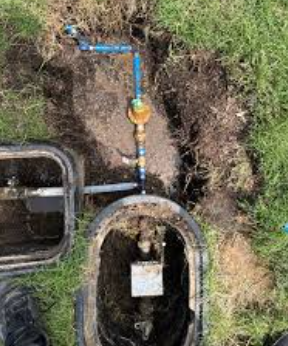
Most people complain when water pressure is weak. A slow shower, a washing machine that takes ages to fill or a garden tap that barely reaches the lawn is hard to ignore. High pressure is different because it often feels like a bonus. Showers feel strong, taps fill quickly, and no one thinks there is a problem until a hose bursts, a valve fails or a hidden joint starts leaking. For many Sydney homes, especially properties connected to strong mains supply or homes where pressure-limiting valves are missing or ageing, excessive pressure can quietly wear out the plumbing system. A plumber Sydney homeowners call for repeated leaks will often look beyond the visible failure and check whether pressure is contributing to the damage.
Why Strong Pressure Can Be a Problem
Household plumbing is designed to operate within a safe pressure range. When the pressure sits too high, every fitting, washer, flexible hose, mixer cartridge, valve and appliance connection is placed under extra stress. The system may still function, but it is working harder than it should. High pressure can make taps hammer when they are closed, cause toilets to refill noisily, shorten the life of hot water valves and put extra strain on dishwashers, washing machines and fridge water connections. The problem is gradual. A fitting may hold for years before it finally gives way, which makes the failure look sudden even though the stress has been building for a long time.
The Warning Signs Are Easy to Misread
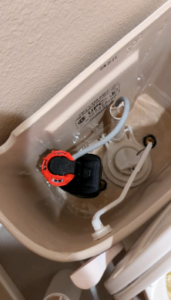
High pressure does not always show up as one obvious symptom. Some homes experience banging pipes, especially when taps or appliances shut off quickly. Others go through tap washers, mixer cartridges or flexible hoses more often than expected. Toilets may hiss, valves may wee,p and garden taps may spray aggressively. A hot water system may discharge more than usual through its relief valve. Homeowners often treat each issue separately, replacing one part after another, without asking why parts keep failing. When several fixtures develop small faults over time, pressure is worth checking.
The Damage You Cannot See
The most expensive failures are often hidden. A flexible hose under a vanity can balloon internally before it bursts. A joint inside a wall can begin with a tiny weep that slowly damages plaster, framing or cabinetry. A valve near a hot water unit can fail when no one is home. Because pressure affects the whole system, the next weak point may be in a completely different room from the last repair. This is why a home with excessive pressure can feel unlucky, with one plumbing issue after another. In reality, the system may be sending the same message repeatedly.
Why Newer Appliances Do Not Remove the Risk
Modern appliances are efficient, but they still rely on stable water pressure. Dishwashers, washing machines, water filters, fridge ice makers and hot water systems all have valves and seals that can be affected by excessive pressure. A brand-new appliance can fail early if it is connected to a system that is running too hard. Homeowners sometimes blame the appliance brand or assume a part was defective, when the real issue is the supply conditions feeding it. Checking pressure is a practical step before replacing expensive parts or installing new equipment.
How a Plumber Checks the Pressure
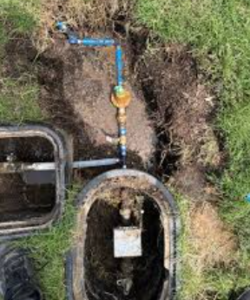
A plumber can test the pressure at an external tap or appropriate point and compare it with what the home should safely handle. They may also check whether a pressure-limiting valve is installed, whether it is working, and whether thermal expansion or hot water valves are contributing to the symptoms. If pressure is too high, the solution may be installing or replacing a pressure-limiting valve. This is not a glamorous repair, but it can protect the rest of the plumbing system. The best plumber Sydney homeowners choose for persistent pressure-related issues will look for the cause rather than simply replacing the failed part.
What Homeowners Can Do Before Something Fails
Pay attention to patterns. If taps are noisy, hoses are ageing, valves keep weeping, or several fixtures have needed repair in a short period, ask for a pressure check. Replace old flexible hoses before they fail, especially under sinks, behind toilets and near appliances. Do not ignore water hammer or sudden changes in the way fixtures behave. If you are renovating, installing a new hot water system or upgrading appliances, it is a good time to confirm the pressure is suitable. Prevention is usually simpler than repairing water damage after a burst hose or hidden leak.
Why Pressure Should Be Checked After Plumbing Changes
Pressure can also become more noticeable after other work is done. A new mixer tap, renovated bathroom or replacement hot water system may expose weaknesses that older fittings had been masking. Sometimes the pressure has been excessive for years, but the symptom only appears once a newer fixture responds differently. This is why pressure testing is useful during renovations, appliance upgrades and repeated leak repairs. It gives the homeowner a measurable answer instead of another guess about why the newest part has failed.
Conclusion
High water pressure can feel convenient until it starts damaging the system behind the scenes. It wears down small parts, stresses hidden joints and shortens the life of appliances that depend on a stable supply. If your home has repeated leaks, noisy pipes or plumbing parts that fail sooner than expected, pressure should be part of the investigation. A local plumber Sydney homeowners trust can test the system, identify whether pressure is too high and recommend a practical fix before the next weak point gives way.