Routine vehicle maintenance can help prevent many common problems, but some issues require more than a basic DIY repair. Strange noises, warning lights, braking problems, fluid leaks, or changes in the way a vehicle drives can signal that something needs professional attention. Recognizing these warning signs early can help drivers address problems before they become more complicated or expensive.
Knowing when to search for auto repair shops near me can be especially important when a problem requires specialized diagnostic equipment, advanced tools, or mechanical experience. While many drivers can handle routine jobs such as replacing filters, bulbs, or wiper blades, modern vehicles include complex electrical, engine, transmission, and safety systems that can be difficult to diagnose without the proper equipment.
There are several common warning signs that should encourage drivers to consider scheduling an inspection. Paying attention to changes in vehicle behavior can make it easier to determine when professional diagnosis may be the safest and most practical option.
Certain Vehicle Problems Require Professional Diagnosis
One of the clearest signs that a vehicle may need professional attention is a dashboard warning light that stays illuminated. The check engine light can appear for many reasons, ranging from relatively minor sensor problems to issues involving the fuel, ignition, emissions, or engine management systems. While a diagnostic scan can provide a trouble code, that code does not always identify the exact component that needs replacement.
A technician can use diagnostic information along with additional testing to determine the underlying cause. Replacing components based only on a trouble code can result in unnecessary expenses if another issue is actually responsible.
A second warning sign is an unusual noise. Drivers become familiar with the normal sounds their vehicles make, so new clicking, grinding, knocking, squealing, or rattling noises deserve attention. The location and timing of the sound can provide useful clues. A squeal when braking may involve the brake system, while knocking from the engine compartment could point toward a completely different concern.
Braking changes are a third sign that a repair shop visit may be necessary. Brakes are essential safety components, and problems should be addressed promptly. Symptoms can include squealing or grinding sounds, increased stopping distance, a soft brake pedal, vibration during braking, or a vehicle that pulls to one side while slowing down.
Brake pads gradually wear because friction material is consumed every time the brakes are applied. When the pads become too thin, braking performance can decline and other components may eventually become damaged. A brake pad replacement may be necessary when inspection shows that the friction material has reached its service limit.
However, brake problems are not always caused by worn pads. Calipers, hydraulic lines, brake fluid, wheel bearings, suspension components, and other parts can contribute to unusual braking behavior. This is one reason professional diagnosis can be valuable when symptoms are unclear.
Fluid leaks are a fourth warning sign drivers should not ignore. A puddle underneath a parked vehicle can come from several systems, including the engine, transmission, cooling system, power steering system, or brakes. Water dripping from the air-conditioning system can be normal, but colored, oily, or unusually scented fluids deserve closer examination.
Drivers can sometimes gather helpful information by looking at the location, color, and consistency of the fluid, but accurately identifying a leak may require inspecting areas that are difficult to access. A small leak can also spread across other components while the vehicle is moving, making its original source harder to locate.
The fifth major sign is a noticeable change in how the vehicle drives. Steering that suddenly feels loose, excessive vibration, difficulty accelerating, transmission hesitation, pulling to one side, or a rough-running engine can indicate a mechanical problem. Even if the vehicle still moves normally enough to drive, a significant change in performance should not be ignored.
Professional diagnosis becomes especially important when several symptoms occur together. A vibration accompanied by braking noise, for example, provides more information than either symptom alone. Explaining exactly when a problem occurs can help a technician narrow down possible causes more efficiently.
Finding a Reliable Repair Shop for More Complicated Issues
Once a vehicle problem goes beyond routine maintenance, choosing a reliable repair shop becomes an important part of getting it corrected properly. Drivers should look for a shop that clearly explains diagnostic findings, recommended repairs, expected costs, and which services require immediate attention.
Providing detailed information about the symptoms can also make diagnosis easier. Drivers should mention when the problem first appeared, whether it occurs at certain speeds, if it happens when the vehicle is cold or warm, and whether any warning lights are present. Even small details can help technicians reproduce the issue and identify its source.
It can also be useful to maintain service records. Previous repairs, maintenance dates, mileage, and component replacements can provide valuable context when diagnosing a new problem. For example, knowing when brakes, tires, batteries, or suspension components were last replaced can help determine which areas deserve closer inspection.
Brake problems provide a good example of why a thorough diagnosis matters. Drivers may assume that vibration while braking automatically means worn brake pads, but the condition of the rotors should also be evaluated. Heat, wear, corrosion, or uneven surfaces can affect braking performance. In some cases, a brake rotor replacement may be recommended after the braking system has been inspected.
A repair shop should determine whether individual components can continue operating safely or need replacement. This helps prevent unnecessary repairs while also making sure important safety issues are not overlooked.
Drivers should also pay attention to repeated problems. If a warning light, leak, noise, or performance issue continues returning after basic maintenance, additional diagnosis may be necessary. Repeatedly replacing a component without identifying why it is failing can cost more over time than properly diagnosing the underlying cause.
Another consideration is the complexity of modern vehicles. Many systems rely on computers, electronic sensors, modules, and interconnected components. A symptom that appears mechanical can sometimes have an electrical cause, while an electrical warning may ultimately be related to a physical component. Professional equipment can help technicians evaluate multiple systems rather than relying on guesswork.
Not every unusual symptom means a major repair is necessary. Some problems may come from worn maintenance items or simple adjustments. The advantage of having a vehicle properly inspected is gaining a clearer understanding of what is actually happening before deciding on the next step.
Conclusion
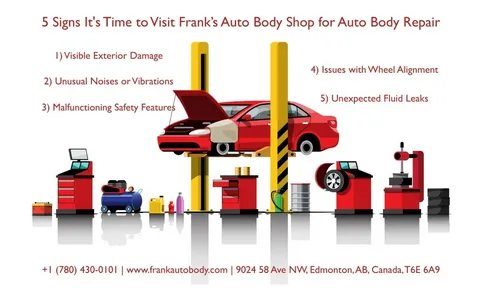
Knowing when to visit an auto repair shop can help drivers respond to vehicle problems before they become more serious. Dashboard warning lights, unusual noises, braking changes, fluid leaks, and noticeable differences in driving behavior are five common signs that professional diagnosis may be worthwhile.
Routine inspections can help catch some of these problems early, but drivers should recognize the limits of DIY maintenance. Complex electrical problems, significant leaks, braking concerns, engine issues, and difficult-to-identify noises often require specialized equipment and experience.
Paying attention to how a vehicle normally sounds, feels, and performs makes unusual changes easier to recognize. By addressing warning signs promptly, keeping accurate maintenance records, and using professional assistance when needed, drivers can make more informed repair decisions while helping support the safety, reliability, and long-term performance of their vehicles.