Why Termite Risk Should Not Be Ignored
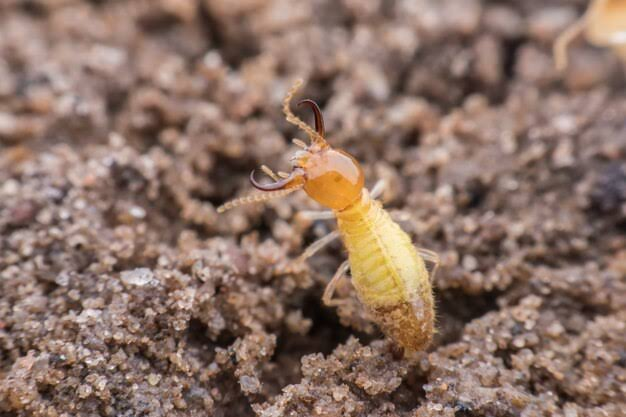
Termites can cause damage quietly because they often remain hidden inside timber, soil, walls, floors or subfloor areas. Homeowners may not realise there is a problem until timber becomes soft, hollow or visibly damaged.
In Melbourne, termite risk can vary depending on the age of the property, moisture levels, garden design, timber structures, drainage and surrounding conditions.
Understanding the risk factors can help homeowners take prevention more seriously.
Timber in Contact With Soil
Timber that comes into direct contact with soil can increase termite risk because it provides easier access to a food source.
This may include timber sleepers, garden edging, fence posts, decking supports, old formwork or stored wood.
Where possible, timber should be kept away from direct soil contact and stored off the ground.
Moisture Around the Home
Termites are commonly associated with moist conditions. Leaking taps, poor drainage, blocked gutters, damp subfloors, damaged downpipes and overwatered garden beds can all create favourable conditions.
Moisture around foundations or external walls should be addressed promptly.
A dry, well-drained property is generally less favourable to termite activity.
Garden Beds Against the House
Garden beds built directly against external walls can conceal termite entry points and keep the surrounding soil moist.
Mulch, timber edging and dense plants near the building can also make inspections more difficult.
Homeowners should maintain a visible gap where possible and avoid covering weep holes or designated inspection zones.
Tree Stumps and Stored Wood
Old tree stumps, dead roots, firewood and scrap timber can provide food and shelter for termites.
These materials should not be stored directly against the home, garage, shed or fence line.
Firewood should be kept off the ground and positioned away from the main building.
Hidden Entry Points
Termites can enter through small cracks, gaps, service penetrations and concealed areas.
Because entry points may be hidden, homeowners should not rely only on what they can see during routine checks.
Regular termite inspections can help identify risks that may not be obvious during everyday use.
Warning Signs Inside the Home
Possible signs of termite activity include hollow-sounding timber, bubbling paint, sagging floors, doors or windows that become difficult to open, mud tubes, discarded wings and damaged skirting boards.
These signs can sometimes be mistaken for moisture damage, building movement or general wear.
If several warning signs appear together, termites should be considered as a possible cause.
Why Professional Assessment Matters
Termite treatment depends on factors such as the termite species, colony activity, property layout, moisture conditions and extent of damage.
Attempting to treat visible areas without understanding the location or extent of the activity may make the problem more difficult to assess and manage.
Professional Termite Treatment Melbourne can help assess the property, identify termite activity and recommend suitable treatment options.
How to Reduce Termite Risk
Homeowners can reduce the risk by repairing leaks, improving drainage, clearing blocked gutters, removing timber debris, keeping garden beds away from external walls, storing firewood correctly and arranging regular termite inspections.
Prevention is especially important because termite activity can remain concealed for long periods.
Final Thoughts
Termites are not always easy to detect, but many risk factors around the home can be reduced. Moisture, timber-to-soil contact, garden beds and hidden entry points all deserve attention.
Melbourne homeowners who remain alert to warning signs and arrange professional inspections when needed are in a better position to reduce the risk of serious termite damage.