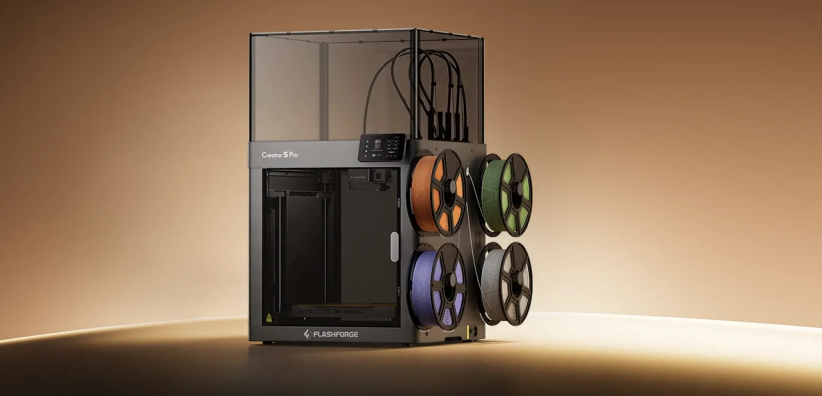
A modern 3D printer is no longer just a tool for engineers or product designers. Today, it can help everyday users make home accessories, creative gifts, DIY tools, replacement parts, and even products for a small side business. Whether you are new to 3D printing or simply looking for fresh project ideas, this guide will show how much you can create with one machine and a little imagination.
Everyday Items You Can Make With a 3D Printer
One of the biggest advantages of owning a 3D printer is the ability to solve everyday problems with custom items that are practical, affordable, and easy to replace.
Home Organization Accessories
A 3D printer is especially useful for organizing small spaces. You can print cable organizers to keep charging cords from tangling, drawer dividers for office supplies, storage hooks for keys or tools, and desk organizers for pens, clips, memory cards, and other small items.
These prints are good for beginners because they are simple, useful, and easy to adjust. Instead of buying a generic organizer that almost fits, you can create one that matches your drawer size, desk setup, or storage need.
Kitchen and Household Helpers
Kitchen and household prints are another easy place to start. Popular ideas include bag clips, measuring scoops, plant pots, spice organizers, and simple wall mounted holders. These items may look basic, but they can make daily routines more convenient.
The main benefit is customization. You can print a scoop in the size you actually use, create a spice rack that fits your cabinet, or make a plant pot that matches your room. For many beginners, these small projects are the first sign that a 3D printer can be useful beyond hobby models.
Creative Projects for Hobbyists
Beyond practical tools, a 3D printer also opens the door to creative projects that showcase your imagination and personal style.
Toys, Miniatures, and Collectibles
Hobby makers often use 3D printing to create toys, miniatures, board game accessories, display stands, and collectible figures. These projects are great for people who enjoy gaming, model building, painting, or character design.
You can print a custom game piece, create a stand for a favorite figure, or design small accessories for a tabletop scene. Resin printers are often chosen for extremely fine detail, while FDM printers are more common for larger toys, props, and general creative models.
Decorative and Personalized Gifts
Personalized gifts are another popular use. With a 3D printer, you can make name signs, keychains, holiday ornaments, photo frames, and small keepsakes. These projects feel more personal because you can change the size, color, text, and design before printing.
With multi color 3D printing, you can produce colorful models, decorations, and gifts in a single print. This reduces the need for manual painting and can make your creations look more polished, especially for signs, character models, ornaments, and display pieces.
Functional Parts and DIY Projects
Many makers discover that the most valuable prints are not decorative. They are the custom parts and tools that save time, money, and effort.
Replacement Parts Around the House
A 3D printer can be helpful when a small plastic part breaks and the original replacement is hard to find. Common examples include cabinet knobs, appliance clips, furniture feet, wall mounts, and simple brackets.
Not every part should be 3D printed, especially items exposed to high heat, heavy load, or food contact. However, for low stress household parts, printing a replacement can be faster and cheaper than replacing the whole product.
Workshop and Garage Tools
For makers who enjoy DIY work, 3D printing can support the garage or workshop. You can create tool holders, measuring jigs, drill guides, battery organizers, sanding blocks, and custom labels.
If you regularly print functional parts or household tools, a reliable desktop 3D printer with consistent accuracy can make a noticeable difference. Models like Flashforge AD5X support multi color 3D printing, making it easier to create practical parts with color coded components while keeping the printing process beginner friendly.
Can You Start a Small Business With a 3D Printer?
Once you gain confidence with everyday projects, you may start exploring ways to turn your 3D printer into a source of extra income.
Popular Products to Sell
Many makers sell personalized gifts, cookie cutters, jewelry pieces, phone stands, home décor, pet accessories, and custom organizers. These products often work well because customers value personalization and small batch creativity.
Customization is where 3D printing stands out. A phone stand with a name, a cookie cutter for a specific theme, or a pet tag holder in a unique style can feel more special than a mass produced item. For many makers, a hobby slowly grows into a side business through small custom orders.
How to Choose the Best 3D Printer for Your Projects
The best projects start with the right machine, and your ideal 3D printer depends on what you plan to create most often.
| Project Type | Recommended Printer |
| Home organization | FDM printer |
| Functional parts | FDM printer |
| Toys and models | FDM or resin |
| Decorative gifts | Multi color FDM |
| Small business products | Reliable desktop printer |
If you are looking for the best 3D printer for everyday creativity, consider features such as automatic leveling, high speed printing, stable extrusion, and multi color 3D printing. Flashforge desktop printers combine practical features for beginners and experienced makers who want to print everything from household tools to colorful display models.
Conclusion
A 3D printer can make far more than simple models. It can help solve daily problems, support creative hobbies, improve DIY projects, and even open the door to small business opportunities. From simple storage accessories to colorful personalized gifts, the possibilities continue to grow as users gain experience.
As features like multi color 3D printing become easier to use, more beginners can create prints that are both practical and visually appealing. The key is to start with simple projects, choose a machine that fits your needs, and keep exploring what your ideas can become.