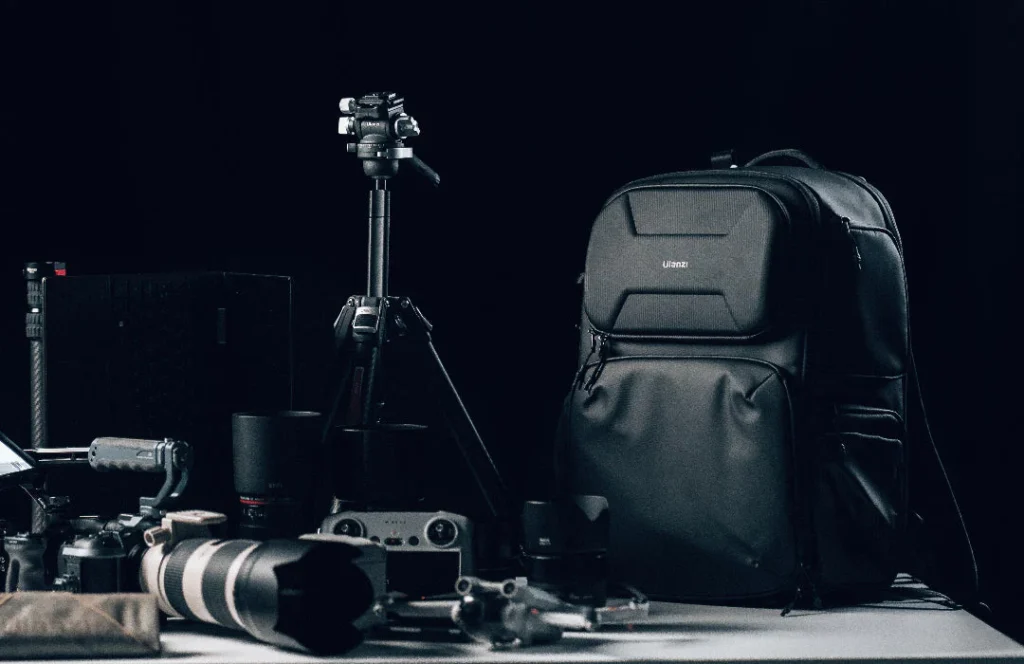
The bag a photographer chooses to carry their equipment in is a decision that most people make once and live with for years, which makes it worth spending genuine time on before committing. A camera backpack that works well on the flat terrain of a city walkabout may be miserable on a mountain trail. A bag designed for a full professional kit may be unnecessarily large and heavy for a mirrorless setup used for travel. The right choice depends on what equipment is being carried, where it is being taken, and what the photographer needs to access quickly in the field.
Understanding Load and Access Requirements
The two primary variables that should determine camera backpack selection are the weight and volume of the equipment being carried, and the speed at which the photographer needs to access their gear in the field. These two variables do not always point in the same direction, and understanding the trade-offs is important.
Bags designed for maximum protection and capacity typically have the camera compartment accessed from the back panel, requiring the bag to be removed and placed face-down to access the equipment. This design provides excellent security and weather protection, and distributes weight close to the body for comfortable carrying, but it is slow to access and can be impractical in environments where the bag cannot be placed on the ground.
Side-access designs allow camera gear to be reached without removing the bag from the shoulders, which is significantly faster in situations where shooting opportunities appear and disappear quickly. The trade-off is that side-access compartments are typically smaller and the weight distribution is less optimal for heavy loads over long distances.
Matching the Bag to the Activity
Camera backpacks designed for hiking and outdoor photography differ from those designed for travel and urban use in their load-carrying structure, weather resistance, and the proportion of the bag dedicated to camera equipment versus personal gear. A hiking-oriented camera bag typically has more sophisticated shoulder and hip belt systems that distribute heavy loads correctly for extended carrying, and may include attachment points for tripods and other large items.
Travel-oriented camera backpacks often balance camera protection with the requirement to carry a day’s worth of personal gear alongside the photography equipment, and may be designed to meet carry-on luggage size limits for air travel. The weight of the bag itself matters more for travel use than for day hikes where the bag stays in the car until the shooting location is reached.
For studio photographers and urban shooters who primarily transport equipment by car and carry it short distances, a larger roller case or a simple shoulder bag may be more practical than a backpack. The backpack format is most valuable when the photographer is genuinely on foot for extended periods and needs a hands-free carrying solution.
Protecting Mirrorless Systems
The compact size of mirrorless cameras and their associated lenses has changed the practical camera backpack requirements for many photographers. A full mirrorless kit, including two or three lenses and an additional body, can often be accommodated in a bag that would feel cramped with an equivalent DSLR setup. This has expanded the options available at the lighter and more compact end of the camera backpack market.
The internal divider system of a camera compartment is the primary protection for equipment during transport, and it is worth evaluating the quality and adjustability of the divider system alongside the external specifications of any bag being considered. Firm, adjustable dividers that can be configured to hold the specific equipment being carried prevent movement inside the bag that can result in damage during transport.