Signature: jenZ/JMqYFNUwjdICmTsZFq/II3G/eaK02+WbX8m2Ca7myv81nFq5/uEkmrj1sS1HBQnKlLCxd1jCTI0gCdto1M1h0aYB8T0ZfBJdh9BkZGXkqhPpE1sZoP6BU0DMQ6PVhy0i9QTioWuhge06PCPcEhao6/Dkrp0Fe44Hyyw0TA6V7s+HKj17GcBQlbueb5ebVhAY65oxgczIn1yRz6Z0rahHPkeVr2zI4Pm2tECPCUsY81G+5EteIl1RpG+iAn4WNQbaA2T7u8IjAgChMoU7/BB9lgsFzavyaE7pQgnrxsQ2oHez8SgL4uSzJXky2WfIC7/m+6frH/5febwGqU0ECPhhiw4Dzh44gDRKfvNtPMKyV8A8R0m8/Oc8WY3FWWEBG+wyJkjwY54gL+1Y4YLJBKttx9f2ApihqlA1ngolEyAk0ljfJQmS3n/60qEKkdjwLtCBbAfOdGxGspJXgB68bB/tXItS9TTo+EPhgi5JHTEBYoQTe0wng+BJEpLNEZwr2BBVi+hqJl9sLD1Zw+6AE46cZEbQAexVFhz1VJnTf9RDaoWPrsqjeb3GPmj2VdVp8cB/nXUur8b1c4xOzfaf0zItvmSPITRatWpRU4C2nu3x7ckpeQmRk6rdy5z+n9aglfDHwzXZKMtC648MmabNWFRX7sz1k/bJEDrquQoyjrxU5iQOBZrTFH6a9+5zxKXAbWwp8SJ3WgH/E8sJPiYN4BD92FHhCylIPZC4ui9xjeWWlwodOut8pwg+C6/Sar+3lEXd/gmED4CTFMGBfkSpdqE3OeRhXCftv8N68gW1Ph/hWWrP2UKtfMSPBjEqNwAjzhCQIC6uvtOqV15pKEA6BdwXoUbc6KJnEV8DZqksNtYjgaFhOSCAprdarOSNy4uHu399foXagYv1RUgxfcenb0p9YEvEWEaoDLy5wQr/j6BMOeaI1lNHXzFYIiHGIhpFY/C1ciBS+YkVlknrns9Z/Cu5JDUvy1eQd31V4loDtY=
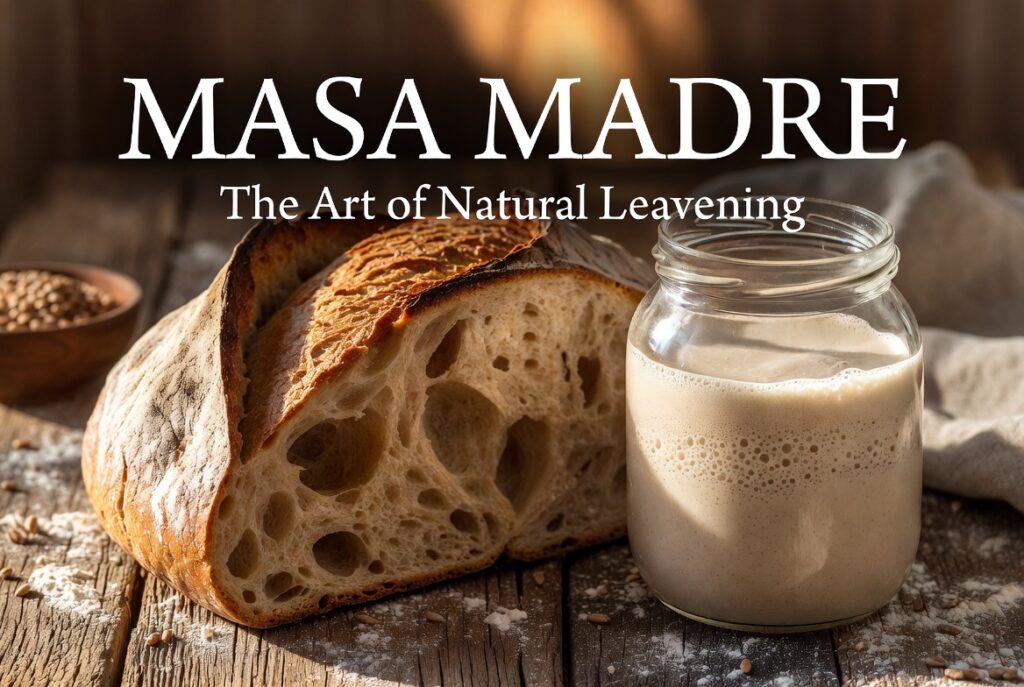
In a world of instant gratification and commercial shortcuts, the humble masa madre stands as a testament to patience, tradition, and the magic of microbiology. This living culture of wild yeasts and lactic acid bacteria, born simply from flour and water, transforms basic ingredients into loaves with complex flavors, superior texture, and remarkable digestibility. Whether you’re a curious beginner or an aspiring home baker seeking deeper connection to your food, understanding masa madre opens doors to a rewarding culinary practice that has sustained communities for millennia.
The resurgence of interest in masa madre reflects a broader return to mindful, sustainable cooking. In an era where many seek alternatives to processed foods, this natural starter delivers not only exceptional taste but also practical benefits like longer shelf life and reduced waste. This guide delves deeply into its history, science, creation, care, and versatile applications, equipping you with the knowledge to cultivate and master your own.
The Rich History and Cultural Significance of Masa Madre
Masa madre, Spanish for “mother dough,” represents one of humanity’s oldest biotechnological achievements. Archaeological evidence suggests leavened bread using similar natural cultures existed as far back as 5000 years ago in ancient Egypt, where bakers likely captured wild yeasts from the air and grain. Before the commercialization of baker’s yeast in the 19th century, virtually all bread relied on such spontaneous fermentation.
Across cultures, variations flourished: the French levain, German Sauerteig, and Italian lievito madre or pasta madre. In Spain and Latin America, masa madre became integral to regional baking traditions, passed down through generations in family bakeries. These cultures weren’t just functional; they embodied community knowledge about local environments, as the microbial profile of a starter reflects the unique yeasts and bacteria of its surroundings.
Today, masa madre symbolizes resistance to industrialization. Artisanal bakers worldwide champion it for its ability to produce breads with character that mass-produced loaves simply cannot match. Its revival during recent years highlights growing awareness of gut health, flavor complexity, and food sovereignty. A well-maintained masa madre can live indefinitely, becoming a cherished household member much like a family pet, requiring care but offering daily rewards.
Understanding the Science Behind Masa Madre Fermentation
At its core, masa madre is a symbiotic ecosystem. Wild yeasts, such as Saccharomyces species and others, produce carbon dioxide for rising and alcohol that evaporates during baking. Lactic acid bacteria (LAB), primarily Lactobacillus, generate acids that lower pH, develop tangy flavors, and enhance preservation. This dual fermentation—alcoholic and lactic—distinguishes it from commercial yeast, which focuses primarily on rapid gas production.
The process involves breaking down starches into sugars, then fermenting them. Enzymes in the flour activate during hydration, while bacteria produce organic acids like lactic and acetic, contributing to aroma and digestibility. This prolonged activity partially degrades gluten and phytic acid, an antinutrient that binds minerals, making nutrients more bioavailable.
Temperature, hydration, and flour type influence the microbial balance. Warmer conditions favor certain yeasts, while cooler ones promote acidity. A mature starter exhibits bubbles, a pleasant tangy scent (yogurt-like to mildly vinegary), and reliable doubling in volume after feeding. This living system adapts over time, becoming more robust and flavorful with consistent care.
How Masa Madre Differs from Commercial Yeast: A Detailed Comparison
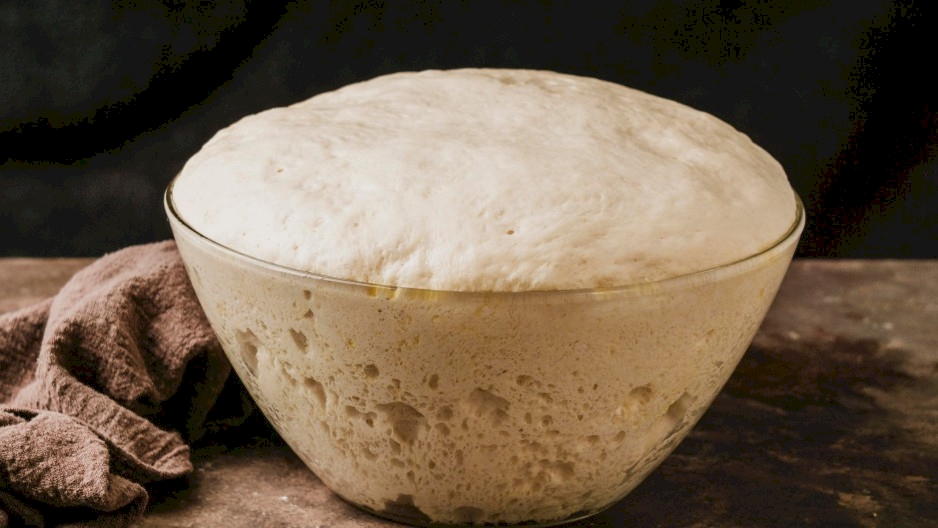
While both leaven bread, masa madre and commercial yeast operate on fundamentally different principles. Commercial yeast is a single-strain, fast-acting Saccharomyces cerevisiae optimized for speed and predictability. Masa madre, by contrast, is a diverse, evolving community that requires more time but rewards with depth.
In terms of flavor, commercial yeast yields mild, neutral results, while masa madre imparts complex notes—nutty, fruity, earthy, or tangy—depending on its maturity and maintenance. Texture-wise, breads from masa madre often feature irregular open crumb, chewy interiors, and crisp crusts due to extended fermentation strengthening the gluten network subtly.
Nutritionally, the longer fermentation in masa madre reduces FODMAPs and phytic acid, potentially benefiting those with sensitivities, though it’s not a cure for celiac disease. Shelf life extends significantly; natural acidity inhibits mold. However, it demands planning, as bulk fermentation can take 4–18 hours or more versus 1–2 hours with commercial yeast.
Comparison Table:
| Aspect | Masa Madre | Commercial Yeast |
|---|---|---|
| Fermentation Type | Lactic + Alcoholic (slow, complex) | Primarily Alcoholic (fast) |
| Flavor Profile | Tangy, aromatic, layered | Mild, straightforward |
| Digestibility | Enhanced (lower phytic acid) | Standard |
| Maintenance | Living culture, regular feeding | Shelf-stable, one-time use |
| Bread Shelf Life | 7–10+ days | 3–7 days |
| Time Commitment | Hours to days | Quick (1–3 hours) |
This comparison underscores why many bakers prefer masa madre for special occasions or daily staples where quality trumps speed.
Step-by-Step Guide: Creating Your First Masa Madre at Home
Embarking on masa madre creation is straightforward yet requires consistency. Begin with high-quality, preferably organic, whole grain or bread flour for its rich microbial content and nutrients. Use filtered or dechlorinated water, as chlorine can inhibit growth.
Day 1: Mix 50g flour with 50g lukewarm water (around 24–26°C) into a thick paste in a clean glass jar. Cover loosely with a cloth or lid (not airtight) and store in a warm spot (20–28°C).
Subsequent Days: Discard most (leaving about 50–100g), then feed with equal parts fresh flour and water. Stir vigorously to aerate. Observe daily: initial days may show little activity, but bubbles, rise, and pleasant aroma should emerge by days 4–7.
Patience is key; full maturity often takes 7–14 days. Test readiness with the float test: a small piece dropped in water should float. Maintain consistent timing and temperature for best results. Many bakers note environmental factors like kitchen humidity influence progress, so adjust gently.
Optimal Ingredients and Tools for Successful Masa Madre
Flour choice profoundly impacts your starter. Whole wheat or rye accelerates initial activity due to bran’s nutrients and wild microbes, while all-purpose or bread flour yields milder results later. Experiment with blends for personalized profiles. Water quality matters immensely—room temperature, non-chlorinated. Optional boosters like a few raisins or honey can jumpstart but aren’t essential long-term.
Tools are minimal: a clear glass jar for visibility, digital scale for precision (volume measurements are less reliable), rubber spatula, and a marker for tracking levels. Avoid metal containers that might react with acids. A proofing box or simple warm spot (oven with light on) helps in cooler climates.
Daily Maintenance Routines: Keeping Your Masa Madre Alive and Thriving
Once established, masa madre thrives on routine. At room temperature, feed every 12–24 hours: discard all but 50–100g, add 100g each flour and water (1:1:1 or similar ratio), mix thoroughly. It should double within 4–8 hours at peak.
For infrequent baking, refrigerate after feeding and allow 1–2 hours at room temp before chilling. Weekly feedings suffice. Before use, refresh 1–2 times at room temperature to reactivate. Consistent feeding builds resilience; neglect leads to acidity or weakness.
Track activity with volume markings, photos, or journals. Healthy indicators include bubbly structure throughout, domed rise, and balanced tangy scent—not overly sharp or foul.
Temperature, Hydration, and Environmental Factors Affecting Masa Madre
Temperature is the master variable. Ideal range is 20–28°C for balanced activity; cooler slows it, favoring acidity, while hotter accelerates and risks imbalance. Hydration levels (water-to-flour ratio) vary: 100% (equal weights) is common for liquid starters, while stiffer versions (50% hydration) suit certain Italian styles with milder flavors.
Humidity, altitude, and seasonal changes influence behavior. In dry environments, cover more carefully to prevent drying. Experimentation reveals your local “terroir”—starters adapt uniquely to their home.
Advanced Techniques: Building Strength and Flavor in Your Starter
Mature masa madre benefits from strategic refreshments. Vary ratios (e.g., 1:2:2 or 1:5:5) for different fermentation speeds. Incorporate different flours periodically for diversity. Some bakers use “bagnetto” (brief water bath) for Italian stiff starters to reduce acidity.
Longer fermentation builds complexity. Monitor pH informally through smell and behavior. Backslopping (using previous dough) perpetuates desirable traits across batches.
Common Troubleshooting: Reviving a Sluggish or Neglected Masa Madre
Issues arise even for veterans. No bubbles? Check temperature, water quality, or flour freshness. Hooch (gray liquid) signals hunger—discard it, feed generously. Overly acidic smell? Increase feedings or use higher ratios. Mold (colored spots) requires discarding everything and starting anew.
Sluggish rise after neglect: discard most, feed frequently at warmer temps with whole grain flour. Consistency and observation usually resolve problems quickly. Many revive century-old lineages through diligent care.
Incorporating Masa Madre into Everyday Baking Recipes
Beyond basic bread, masa madre elevates pancakes, waffles, pizza dough, crackers, and even desserts like cookies or quick breads using discard. For loaves, typical inclusion is 20–30% of flour weight. Adjust hydration and timing for its acidity and strength.
A classic country loaf might use 300–400g active starter for 1kg total flour, with autolyse (flour-water rest) enhancing extensibility. Experiment with inclusions like seeds, olives, or herbs.
The Health and Nutritional Benefits of Baking with Masa Madre
Prolonged fermentation enhances digestibility by predigesting proteins and starches, reducing potential discomfort for some. Lower phytic acid improves mineral absorption (iron, zinc). Prebiotic effects from bacteria support gut health. Breads often have lower glycemic impact and natural preservatives.
While not universally medicinal, many report better tolerance compared to standard commercial bread. Combined with quality grains, it maximizes nutritional potential.
Creative Variations: Exploring Different Types of Masa Madre Starters
Regional styles abound. Liquid (100% hydration) for versatile use; stiff (lower hydration) for milder, stronger leavening in enriched doughs like panettone. Rye-based for faster starts and unique flavors. Fruit or yogurt inoculations can accelerate but may alter long-term character.
Masa Madre in Professional Baking and Modern Trends
Artisan bakeries prize mature starters for signature profiles. Modern adaptations include dehydrated backups or shared community cultures. Sustainability appeals: minimal packaging, zero waste via discard recipes.
Sustainability and Zero-Waste Practices with Your Masa Madre
Minimize discard by planning bakes or using excess in muffins, flatbreads, or compost. Share with friends to spread the tradition. Source local, organic flours to reduce footprint.
Featured Snippet Opportunity
What is masa madre and how do you make it? Masa madre is a natural sourdough starter made by fermenting flour and water, capturing wild yeasts and bacteria. To create it: Mix equal parts flour and water daily for 5–10 days, discarding portions and feeding fresh ingredients until it doubles reliably after feeding and passes the float test. Maintain by regular refreshments at room temperature or weekly in the fridge.
Conclusion
Masa madre embodies the beautiful intersection of science, tradition, and craftsmanship. By nurturing this living starter, you join a timeless lineage of bakers who value process as much as product. The journey demands dedication but delivers profound satisfaction—aromatic loaves, deeper kitchen connection, and edible art. Start small, observe closely, and let your unique culture evolve. Your future self (and dinner guests) will thank you for embracing this ancient, ever-relevant practice. Happy baking.
FAQ
1. How long does it take to make masa madre from scratch?
Typically 7–14 days, depending on environmental conditions and flour. Early days show slow progress; consistency brings reliable activity.
2. Can I use masa madre if I have gluten sensitivity?
It may improve tolerability for some non-celiac sensitivities due to partial gluten breakdown, but those with celiac disease must avoid wheat-based versions entirely.
3. What should I do with the discard?
Transform it into pancakes, crackers, pizza dough, or cookies. It adds tangy flavor and reduces waste.
4. How do I know if my masa madre is ready to use?
It doubles in volume within 4–8 hours post-feeding, shows bubbles throughout, has a pleasant tangy aroma, and floats in water.
5. Can masa madre go bad, and how do I store it long-term?
It rarely “spoils” but can weaken. Refrigerate for weeks between feedings or dry/dehydrate for months. Freezing works for backups. Revive with multiple refreshments.
6. Why does my bread not rise well with masa madre?
Common causes: inactive starter, insufficient fermentation time, poor dough handling, or incorrect temperatures. Ensure peak activity and proper proofing.
7. Is masa madre healthier than commercial yeast bread?
Often yes, due to better nutrient availability, lower antinutrients, and potential gut benefits, though individual results vary. Quality ingredients matter greatly.
8. Can I travel with or share my masa madre?
Yes—dehydrate portions or carry a small active sample. Sharing builds community and preserves lineages.