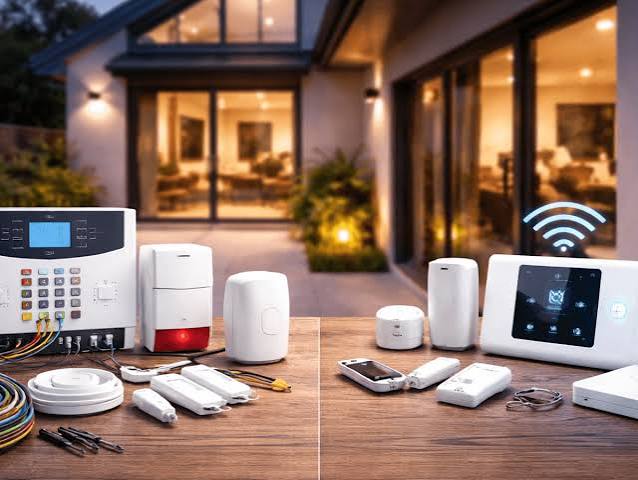
Choosing the right alarm system for your home or business is a big decision—one that can affect your safety, budget, and daily routine for years to come. The debate between wireless and wired alarm systems has been ongoing, and both sides have strong arguments. Understanding the key differences can help you make a confident, informed choice before committing to an alarm installation.
Understanding Wired Alarm Systems: Reliability and Installation
Wired alarm systems have been the industry standard for decades, and for good reason. They connect all sensors, detectors, and control panels through physical cables, making them highly reliable and resistant to interference.
One of the biggest advantages of a wired setup is its stability. Because the components are hardwired, they aren’t susceptible to Wi-Fi disruptions or radio frequency interference. This makes them a dependable choice for large properties or buildings where consistent performance is non-negotiable.
That said, alarm installation for wired systems is significantly more involved. Running cables through walls, floors, and ceilings requires professional expertise and can take days to complete—especially in existing structures. It’s a more invasive process, which also means higher upfront labor costs. However, once installed, wired systems require minimal maintenance and have a long lifespan.
Exploring Wireless Alarm Systems: Flexibility and Modern Features
Wireless alarm systems communicate through radio signals, eliminating the need for extensive cabling. This makes them a popular choice for renters, homeowners in older properties, or anyone who wants a cleaner, less disruptive alarm installation process.
Modern wireless systems come packed with smart features—remote monitoring via smartphone apps, real-time notifications, and easy integration with other smart home devices. Adding sensors to a wireless system is straightforward, making it simple to expand coverage as your needs grow.
The tradeoff? Wireless systems rely on batteries and wireless signals, which means regular battery replacements and occasional vulnerability to signal interference. In areas with poor connectivity, performance can vary. That said, advancements in encryption and battery technology have made today’s wireless systems far more robust than earlier generations.
Key Considerations When Choosing: Cost, Installation, and Maintenance
When deciding between the two, three factors stand out most:
- Cost: Wired systems typically have higher alarm installation costs due to labor, but lower ongoing maintenance expenses. Wireless systems are cheaper to install but may carry recurring costs for batteries and monitoring apps.
- Installation complexity: Wired alarm installation suits new constructions or major renovations, where cables can be built into the structure. Wireless systems are far better suited to retrofitting.
- Maintenance: Wired systems are largely set-and-forget once installed. Wireless systems require periodic battery checks and software updates to stay current.
Think honestly about your situation. Are you in a newly built home? A wired system might be worth the investment. Renting an apartment or working with an older building? Wireless is almost certainly the more practical path.
Making Your Decision: Which System Suits Your Needs?
There’s no single right answer—it really depends on your priorities.
Choose a wired system if you own your property, want maximum reliability, and don’t mind a more complex alarm installation process. It’s a long-term investment that pays off in consistent, low-maintenance performance.
Choose a wireless system if you value flexibility, prefer a simpler installation, or need a system that can grow and adapt with your needs. The modern features and ease of use make it an attractive choice for most residential properties today.
For large commercial spaces or properties with complex layouts, a hybrid approach—combining wired and wireless components—can offer the best of both worlds.
Securing Your Peace of Mind
At the end of the day, the best alarm system is the one that gives you genuine confidence in your security. Both wired and wireless systems are effective when properly chosen and installed. The key is matching the right system to your specific circumstances—your property type, budget, and how hands-on you want to be with maintenance.
If you’re still unsure, consulting a professional alarm installation specialist is a smart move. They can assess your property, identify your vulnerabilities, and recommend a solution tailored to your needs. Security isn’t something to compromise on—so take the time to get it right.