Humans slept in genuine darkness for most of history. Then came street lighting, glowing standby LEDs, phone screens and summer sunrises at five in the morning, and the modern bedroom quietly stopped being dark at all. That matters, because your body does not just prefer darkness at night: it uses it as information.
What happens in your body when the lights go out?
Darkness is the signal that starts melatonin production. This hormone, released by the brain as light fades, tells the body the day is over: temperature dips, alertness drops, and the door to sleep opens. The system runs on a roughly 24-hour loop called the circadian rhythm, and light is its main time-setter.
The catch is that your eyes keep reporting to the brain even while closed. Eyelids filter only part of incoming light, so a streetlight through thin curtains still registers, quietly telling your internal clock the night is not over. That is why so many people have taken to sleeping with a silk eye mask: it restores the complete darkness the brain is listening for, without changing anything else about the bedroom.
Why is even a little light a problem?
Because melatonin is remarkably sensitive. Research has shown that even low levels of light at night can delay or reduce its release, which translates into taking longer to fall asleep and sleeping less deeply once you do. Studies on light during sleep also point to more frequent awakenings and a larger share of the night spent in lighter stages.
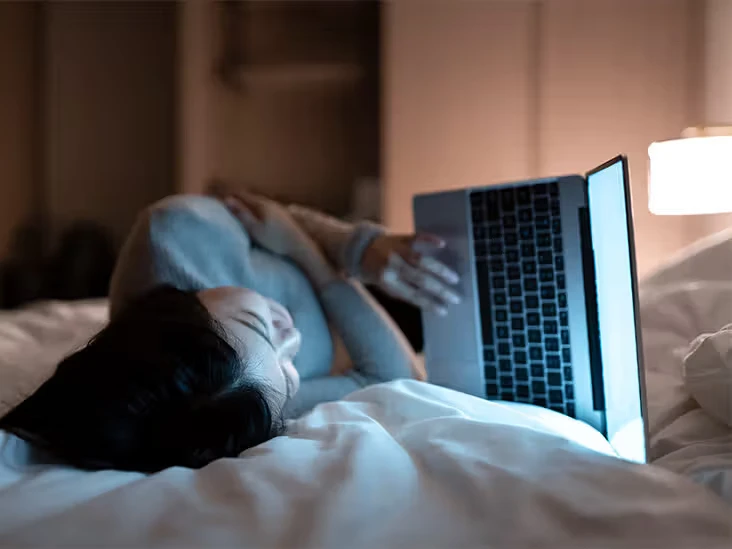
Not all light is equal, either. Blue wavelengths, the kind that dominate phone screens and many LED bulbs, are the most disruptive to melatonin, which is why an evening spent scrolling in bed works directly against the sleep that follows.
How do you get real darkness?
Two approaches work, and they are complementary. The first is treating the room: blackout curtains, electronics out of the bedroom or their LEDs covered, and only warm dim lighting in the hour before bed.
The second is treating your eyes directly with a quality sleep mask. A mask travels to hotels and planes, works instantly in any bedroom, costs a fraction of made-to-measure curtains, and handles what curtains cannot, like a partner who reads late. The main requirement is genuine blackout: a thin flat strip lets light bleed through, while a padded design moulds around the nose where light usually leaks. Premium versions such as the padded mulberry silk masks from Drowsy Sleep Co combine full blackout with a fabric soft enough to stay on all night, which is ultimately what decides whether a mask gets worn or abandoned.
What changes can you expect?
The most commonly reported differences are falling asleep faster, fewer awakenings, and no longer being pulled out of sleep by dawn light in summer. Nappers and shift workers often notice the largest gains. Effects vary from person to person, and persistent sleep trouble is always worth discussing with a doctor. Still, among everything you can adjust for better rest, darkness stands out for its simplicity: remove the light, by dressing the windows or slipping on a mask, and let a system refined over millions of years do its job