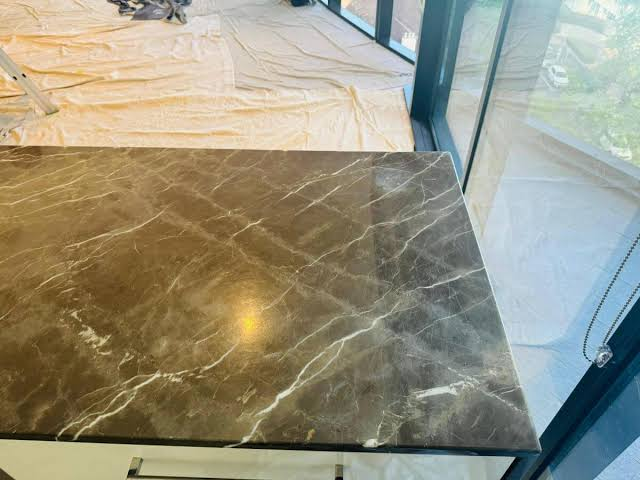
A marble benchtop upgrade is often viewed as a straightforward way to enhance the appearance and value of a kitchen. Homeowners typically focus on selecting colours, finishes, and installation dates, expecting the project to be completed without major complications. However, once the existing benchtop is removed, hidden structural issues can sometimes come to light. What appeared to be a simple renovation may suddenly reveal water damage, weakened supports, timber decay, or pest-related problems lurking beneath the surface.
Discovering these issues can be frustrating, but it also presents an opportunity to address underlying concerns before they become more serious. Ignoring structural problems beneath a new benchtop can lead to costly repairs and compromise the lifespan of the installation.
Why Hidden Damage Often Goes Unnoticed
Many structural issues develop gradually and remain concealed for years. Kitchen cabinetry, flooring, splashbacks, and existing benchtops often hide signs of deterioration, making it difficult for homeowners to identify problems during routine use.
Water damage is a common example. Small plumbing leaks beneath sinks or behind cabinetry can slowly affect surrounding materials without creating obvious visible signs. Moisture may be absorbed into timber, particleboard, or supporting structures while the surface above continues to look perfectly normal. By the time the damage becomes visible, the structural integrity underneath may already be compromised.
Similarly, weakened supports, loose framework connections, or gradual timber decay can remain hidden behind cabinetry and wall finishes. Renovation work often exposes these concealed defects for the first time because demolition removes the layers that previously concealed them.
Common Issues Found During Benchtop Upgrades
One of the most frequently discovered problems during a benchtop replacement is water-related damage. Leaks from sinks, dishwashers, or plumbing connections can saturate cabinet materials and supporting structures over many years. Moisture trapped inside enclosed spaces may lead to swelling, warping, rot, and loss of structural strength.
Deteriorated supports are another common issue. Marble is a heavy material that requires a stable and properly reinforced foundation. When installers remove an old benchtop, they may uncover sagging cabinets, weakened support rails, or uneven framework that cannot safely support the weight of a new stone surface. Poor support can place stress on the benchtop and contribute to cracking or movement after installation.
Timber decay is also frequently discovered during kitchen renovations. Prolonged exposure to moisture can gradually break down wooden components beneath the kitchen structure. Although the damage may not be visible externally, internal deterioration can significantly affect the stability of cabinets and benchtop supports.
The Role of Pest Activity
Hidden structural damage is not always caused by moisture alone. In some cases, timber-damaging pests such as termites may be responsible for weakening key structural elements within the kitchen.
Termites often remain undetected because they operate inside timber, leaving surfaces relatively intact while consuming material from within. Homeowners may not notice any obvious warning signs until renovation work exposes the affected areas. By that point, structural supports, framing, and cabinetry components may have suffered significant damage.
Moisture and pest activity frequently occur together. Damp conditions created by plumbing leaks or poor ventilation can attract termites and create an environment that encourages infestation. As a result, structural issues discovered during a benchtop upgrade may involve both water damage and pest-related deterioration.
This is why pest inspections are often recommended when hidden timber damage is uncovered during renovation projects.
Why Early Detection Matters
Identifying structural problems before a new marble benchtop is installed can prevent significant complications later. Marble requires a stable and level foundation to perform as intended. If damaged supports remain unaddressed, the weight of the stone may place additional stress on weakened areas.
Movement beneath the benchtop can lead to cracking, uneven surfaces, joint separation, and ongoing structural instability. Repairs become far more complicated once the new stone has been installed. Addressing hidden defects beforehand allows the installation to proceed on a secure foundation and helps protect the investment over the long term.
Early detection can also prevent moisture problems from spreading further into surrounding structures. Repairing leaks, replacing damaged materials, and addressing pest activity at the source helps minimise future maintenance costs and disruption.
Professional Assessment and Repairs
When structural damage is discovered, professional assessment is essential before installation proceeds. Contractors, builders, and stone specialists typically evaluate the condition of the supporting framework to determine whether repairs or reinforcement are required.
Depending on the severity of the issue, repairs may involve replacing damaged cabinetry, reinforcing support structures, repairing subfloors, or correcting uneven surfaces. If moisture damage is present, the source of the leak should be identified and repaired before restoration work begins.
Where pest activity is suspected, a qualified pest control professional can assess the extent of the damage and recommend appropriate treatment. Eliminating active infestations before installation helps prevent ongoing deterioration beneath the new benchtop. Only after the supporting structure is stable and secure should the new marble surface be installed.
Preventing Similar Problems in the Future
Although hidden structural issues cannot always be predicted, regular maintenance can significantly reduce the likelihood of major surprises during future renovations.
Routine inspections around sinks, dishwashers, and plumbing connections can help identify moisture issues before extensive damage develops. Promptly repairing leaks and maintaining adequate ventilation reduces the risk of timber deterioration.
Regular pest inspections are equally important, particularly in areas where termite activity is common. Early detection often allows infestations to be addressed before structural damage becomes severe. Maintaining dry conditions and monitoring timber structures can help discourage pest activity and preserve the integrity of the kitchen framework.
Periodic assessments of cabinetry and support structures can also reveal signs of movement, sagging, or wear before they affect benchtop performance.
Expert Guidance for a Successful Upgrade
A marble benchtop upgrade can dramatically transform a kitchen, but the success of the project depends on what lies beneath the surface. Hidden structural damage, moisture issues, and pest activity should be identified and resolved before installation begins. Addressing these concerns early helps ensure long-term stability, durability, and performance.
Homeowners considering Marble Benchtops Sydney services should seek professional guidance when structural concerns are suspected. Combining expert stone installation with qualified building assessments and pest control inspections can help ensure that the finished kitchen is both beautiful and structurally sound.
FAQs
Why is structural damage often discovered during benchtop upgrades?
Existing benchtops and cabinetry can conceal problems such as water damage, timber decay, and weakened supports that only become visible during removal.
Can water damage affect benchtop stability?
Yes. Moisture can weaken cabinets, supports, and surrounding structures, reducing their ability to safely support a heavy stone benchtop.
How do termites damage kitchen structures?
Termites consume timber from the inside, weakening supports, framing, and cabinetry while leaving limited visible evidence until significant damage has occurred.
Should pest inspections be conducted before installing a new marble benchtop?
If there are signs of timber damage, moisture problems, or previous pest activity, a professional pest inspection is highly recommended.
Can a marble benchtop crack if the supports underneath are damaged?
Yes. Uneven or weakened support structures can create stress points that increase the risk of cracking or movement after installation.
What should be repaired before a new benchtop is installed?
Any water damage, timber decay, structural weakness, or pest-related damage should be addressed before installation to ensure a stable and long-lasting result.